Cable Single-Arm Overhead Triceps Extension

What Is the Cable Single-Arm Overhead Triceps Extension?
Cable Single-Arm Overhead Triceps Extension is an isolation exercise that primarily targets the triceps and also engages the shoulders and core as stabilizers. It is an intermediate-level movement performed one arm at a time, with the elbow pointing up beside the head and a low cable pulling the handle down behind it.
The long head is the only one of the three triceps heads that crosses the shoulder joint, so raising the arm overhead stretches it in a way that a Cable Single-Arm Pushdown or any other arm-at-the-side extension does not. That lengthened position is the main reason to choose this variation, and it is why the overhead extension is a staple accessory for lifters who want bigger arms. The lateral and medial heads still do a large share of the work, since all three heads straighten the elbow.
The cable keeps resistance on the triceps close to lockout, where a Dumbbell Single-Arm Triceps Extension stacks the weight over the elbow and the load eases off. Working one arm at a time lets each side do its own share, which makes a side-to-side difference easy to notice, and the free hand can rest on the hip for balance. It usually comes late in an upper-body or arm session, after the main pressing work.
It suits trainees who already handle a pushdown with good control and have enough shoulder mobility to bring the upper arm beside the ear without arching the lower back. Anyone who cannot reach that position yet can build up with pushdowns or a seated Dumbbell Seated Single-Arm Triceps Extension while working on overhead mobility.
Muscles Worked
- Triceps Brachii (Long Head)
- Primary
- Deltoid
- Medium
- External Oblique
- Minimal
- Serratus Anterior
- Minimal
Instructions
- Set the pulley to its lowest position and attach a single handle.
- Stand side-on to the machine, a step away from it, with your non-working side nearest the stack and your feet about hip-width apart.
- Take the handle in the hand farther from the machine and raise it so your elbow points up beside your ear and the handle sits behind your head.
- Rest your free hand on your hip, stand tall and brace your core.
- Keeping your upper arm still, extend your elbow to press the handle straight up overhead.
- Pause briefly at the top with your arm fully extended.
- Lower the handle slowly behind your head until you feel a full stretch in the back of your arm, keeping the elbow pointing up.
- Repeat for the desired number of reps, then turn to face the other way and switch arms.
Common Mistakes
Flaring the elbow
Letting your elbow drift outward reduces tension on the triceps and can stress the shoulder joint.
Using too much weight
Heavy loads often lead to poor form and momentum, limiting effectiveness and increasing injury risk.
Moving the upper arm
Only the forearm should move; shifting the upper arm reduces isolation of the triceps.
Arching the lower back
Overarching your back to compensate for the load can strain the spine, so keep your core braced throughout the set.
Cutting the range short
Shortening each rep to move more weight skips the stretched bottom position, which is what sets the overhead extension apart from a pushdown.
Rushing the lowering
Letting the weight stack pull the handle down quickly behind your head loads the elbow at its most stretched point without control.
Injuries
Cable Single-Arm Overhead Triceps Extension is a low risk exercise when performed with proper technique. The loads are light compared with compound pressing and the cable allows small weight jumps, but the overhead position asks more of the shoulder, and the bottom of each rep loads the elbow with the triceps fully stretched.
The usual strain points are the back of the elbow, where the triceps tendon attaches, and the shoulder when overhead mobility is limited. Lifters who cannot get the upper arm beside the ear tend to arch the lower back or let the elbow drift out to the side, which moves stress onto the shoulder and spine. Warm up the shoulders and elbows, choose a weight you can lower slowly into the bottom position, and keep the elbow pointing up throughout the set.
If the overhead position is uncomfortable, regress to the Cable Single-Arm Pushdown, which trains the same elbow extension with the arm at the side, or lower the handle only as far as stays comfortable while you build overhead mobility. Progress by adding load in small steps or by slowing the lowering phase. Stop the set if you feel sharp pain at the elbow or shoulder, or numbness or tingling in the hand, and have pain that persists checked by a clinician.
Alternative Exercises
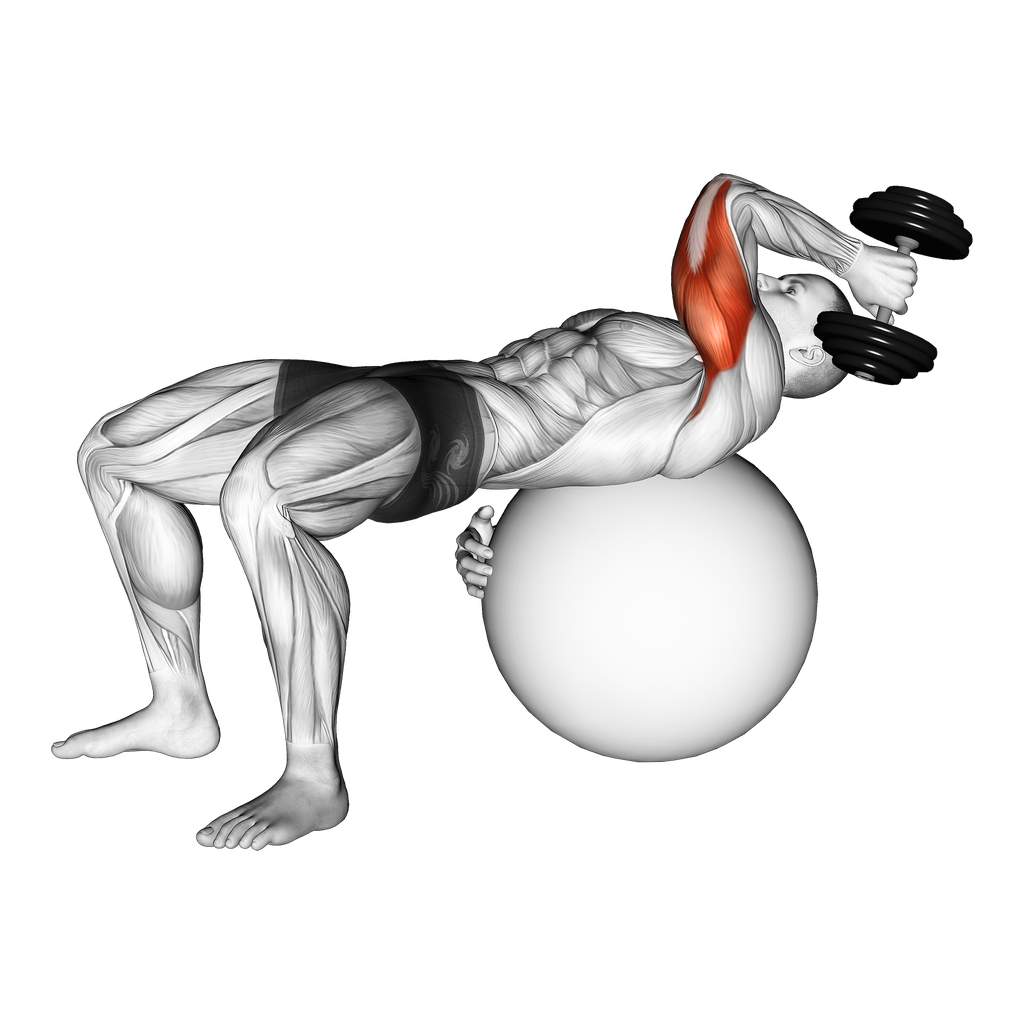 Intermediate
Dumbbell Exercise Ball Single-Arm French Press
Dumbbell · Exercise Ball
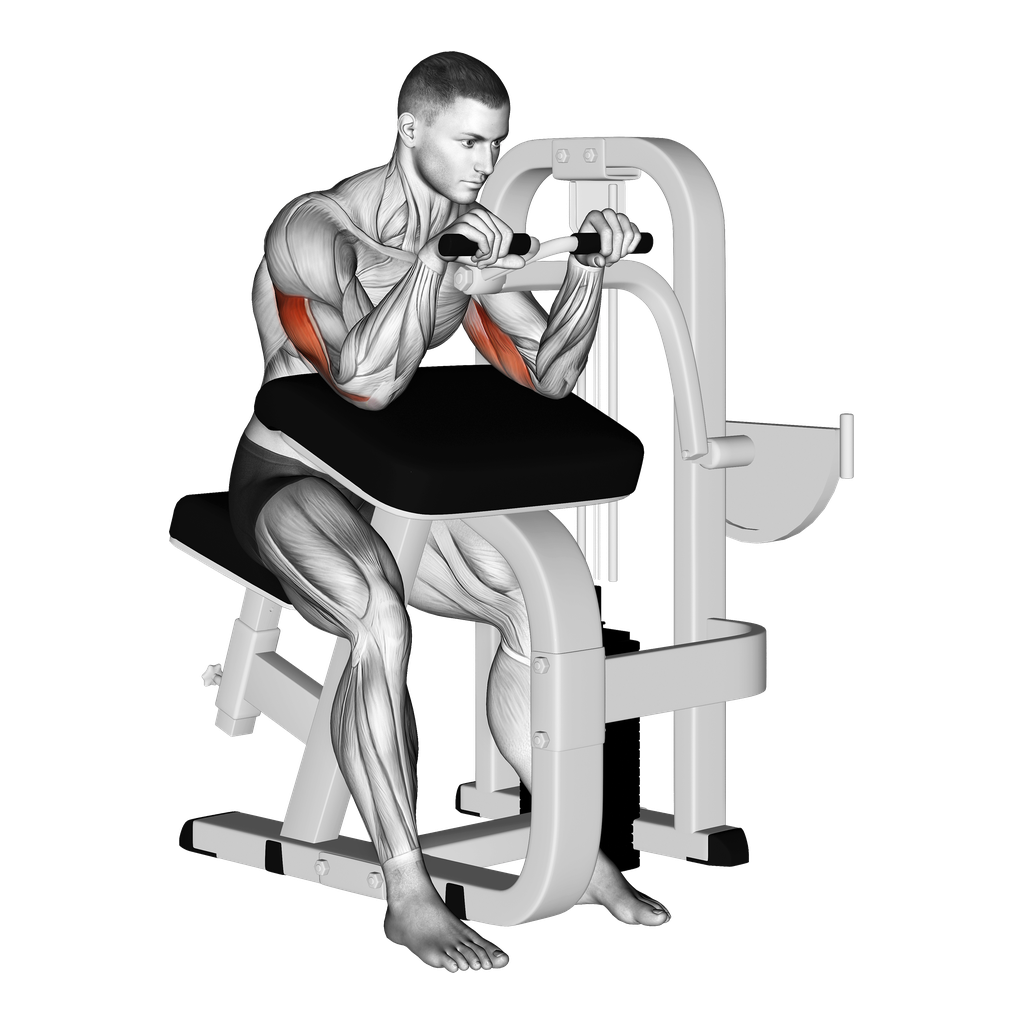 Beginner
Machine Triceps Extension
Machine
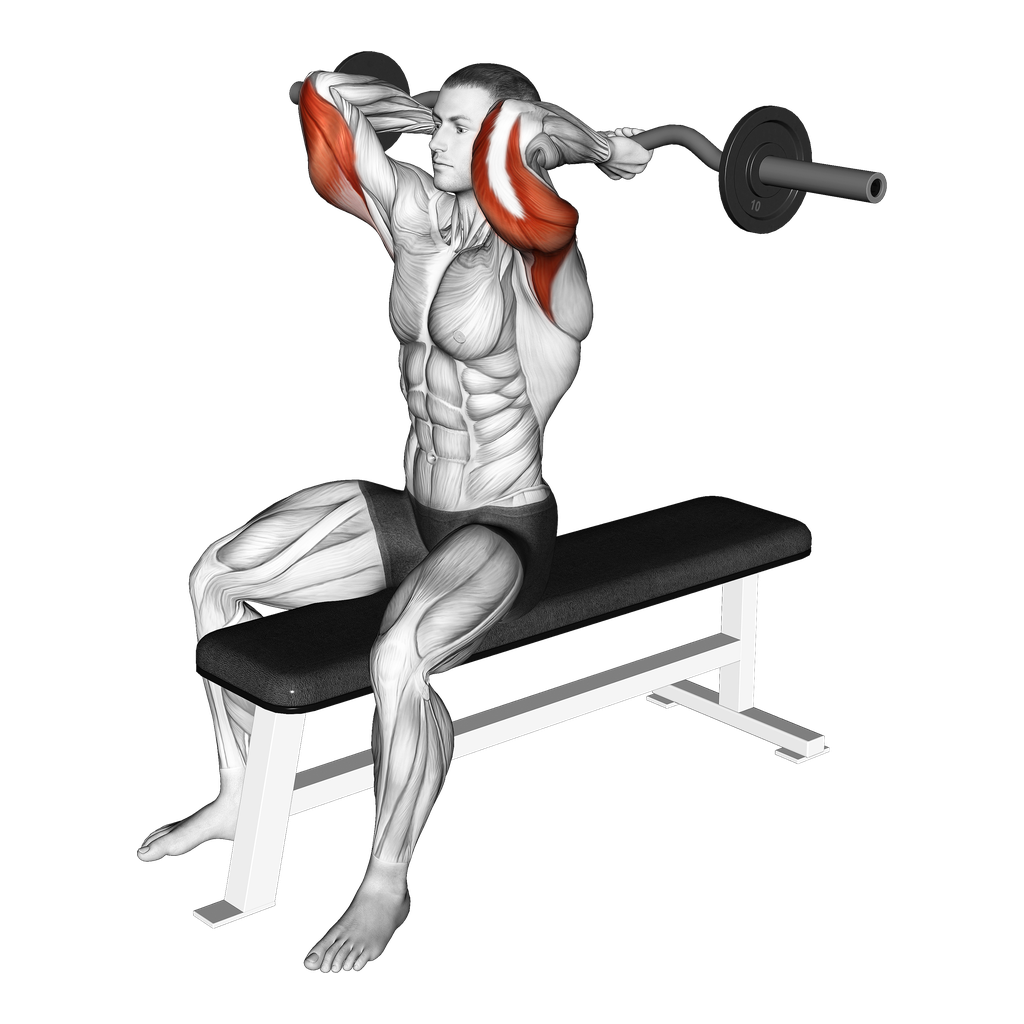 Intermediate
EZ Bar Seated Overhead Triceps Extension
EZ Bar · Bench
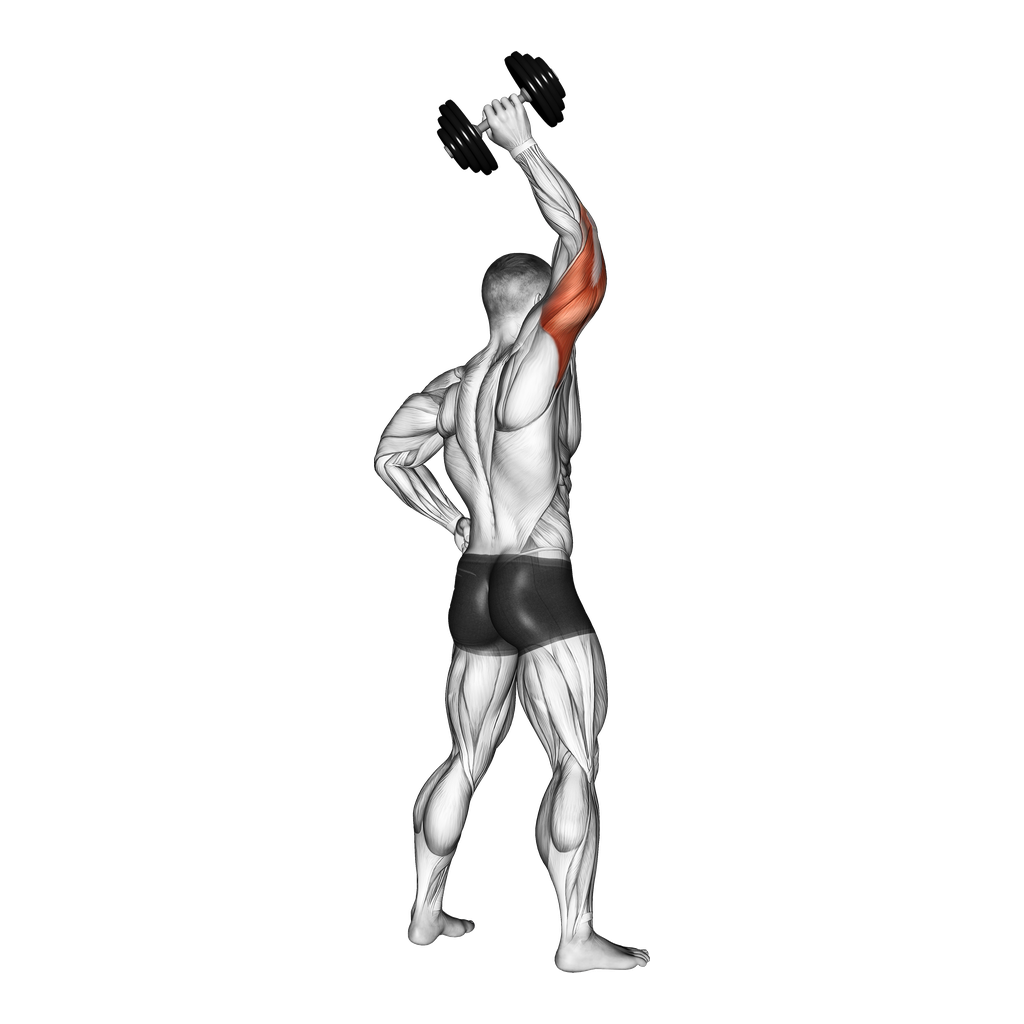 Intermediate
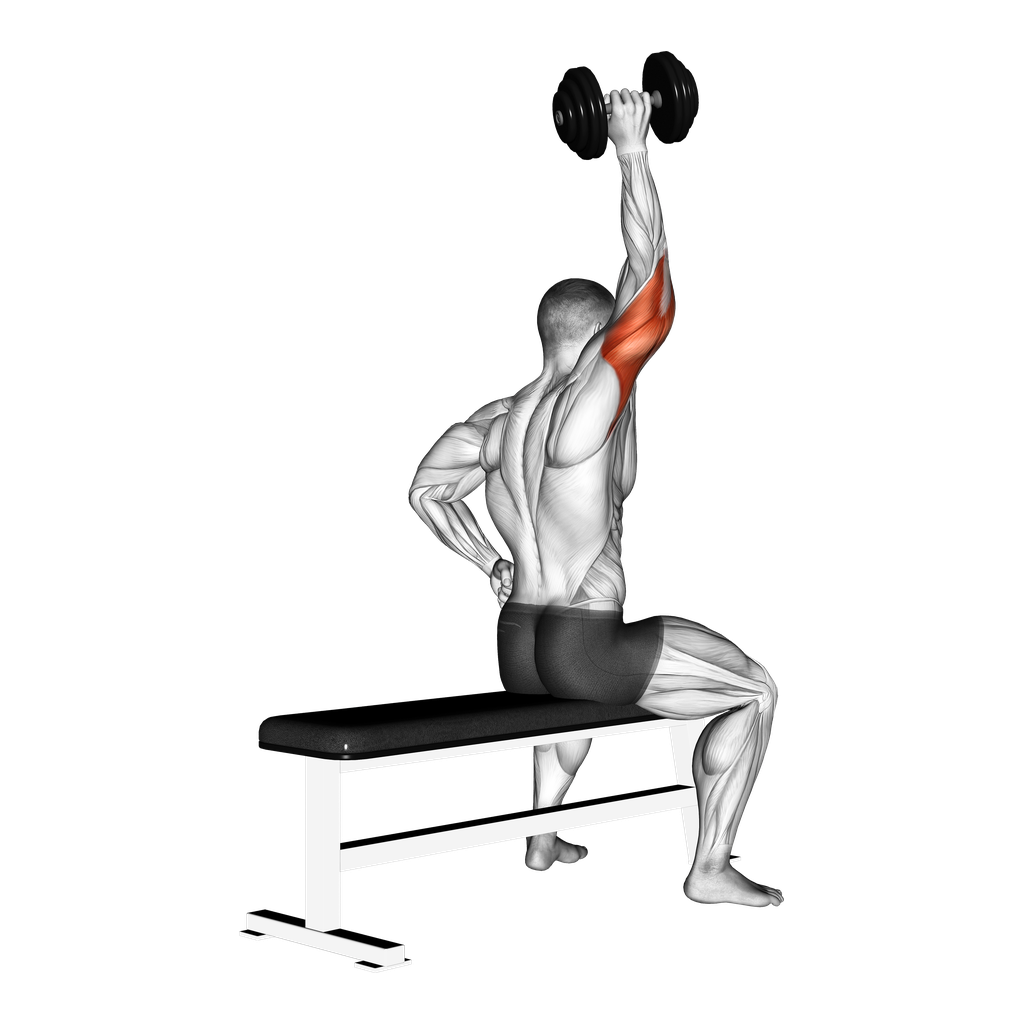
Dumbbell Single-Arm Triceps Extension
Dumbbell
 Intermediate
Dumbbell Seated Single-Arm Triceps Extension
Dumbbell · Bench


Frequently Asked Questions
- Q: Can I do this exercise seated instead of standing?
Yes, sitting on a bench in front of a low pulley takes the legs out of the movement and makes it easier to keep the lower back from arching. Without a cable, the Dumbbell Seated Single-Arm Triceps Extension uses the same seated overhead position.
- Q: What handle should I use for this exercise?
A single-grip handle works best, but you can also use a rope attachment if preferred.
- Q: Is this better than dumbbell overhead extensions?
Cable versions provide constant resistance and may feel smoother, but both are effective.
- Q: How does this compare with a pushdown for building the triceps?
For muscle size, the overhead position has the edge. In a 12-week study, 21 adults trained one arm with cable elbow extensions overhead and the other with the arm at the side, and the overhead arm grew about 1.5 times as much in the triceps long head and more in the other two heads as well, even though it lifted lighter loads.
- Q: Where should the pulley be set?
Use the lowest setting, so the cable pulls the handle down behind your head and keeps the triceps loaded in the stretched bottom position. A higher pulley changes the line of pull and turns it into a different overhead extension variation.