Dumbbell Exercise Ball Incline Fly

Overview
- Primary Focus:
- Chest.
- Equipment:
- Dumbbell and exercise ball.
- Difficulty:
- Intermediate.
General Information
Dumbbell Exercise Ball Incline Fly is an isolation exercise that primarily targets the upper chest. It is an intermediate-level movement that combines the stretch and contraction emphasis of a fly with an incline angle created by the exercise ball, placing greater demand on the clavicular fibers of the pectoralis major and the stabilizing muscles of the core.
The incline position is achieved by resting the mid-back against the ball with the hips slightly lower than the shoulders. This angle, typically 30 to 45 degrees, directs the resistance toward the upper portion of the chest. The fly motion itself, which involves horizontal adduction with a fixed elbow bend, isolates the pectorals with minimal triceps contribution compared to pressing variations.
The exercise ball introduces instability that standard incline bench flies do not have. This means the abdominals, obliques, glutes, and hip flexors all work to keep the body steady on the ball. While this reduces the total load you can handle, it increases the overall training stimulus by incorporating trunk stability work into a chest isolation exercise.
This movement works best as an accessory exercise after compound pressing movements. It pairs naturally with the Dumbbell Exercise Ball Incline Press to target the upper chest from both a compound and isolation angle. Lifters who want to develop the upper chest shelf or who feel their flat pressing does not adequately stimulate the upper pectorals will benefit from including this in their routine.
Focus on a controlled, sweeping arc throughout the range of motion. The stretch at the bottom should feel deep but not painful, and the squeeze at the top should involve actively contracting the upper chest fibers. Avoid turning the movement into a press by bending and extending the elbows.
Muscles Worked
- Pectoralis Major
- Primary
- Deltoid
- Medium
- Serratus Anterior
- Medium
- Biceps Brachii
- Low
- External Oblique
- Low
- Rectus Abdominis
- Low
- Rectus Femoris
- Minimal
- Triceps Brachii (Long Head)
- Minimal
Instructions
- Sit on the exercise ball holding a dumbbell in each hand, then walk your feet forward until your mid-back rests against the ball, creating an incline angle.
- Place your feet flat on the floor, slightly wider than shoulder width, with knees bent.
- Engage your glutes and core to stabilize your body, keeping your hips slightly lower than your shoulders.
- Extend both arms above your upper chest with palms facing each other and a slight, fixed bend in the elbows.
- Lower the dumbbells out to the sides in a wide arc, maintaining the elbow bend throughout.
- Continue until you feel a comfortable stretch across the upper chest, with your arms roughly in line with or slightly below your torso.
- Squeeze your upper chest to reverse the arc, bringing the dumbbells back together above your upper chest.
- Pause briefly at the top, then repeat for the desired number of repetitions.
Common Mistakes
Injuries
Dumbbell Exercise Ball Incline Fly is a medium risk exercise when performed with proper technique. The incline angle combined with the open-arm fly position places considerable stress on the front of the shoulder, particularly at the bottom of the range of motion where the joint is most vulnerable.
The anterior deltoid and rotator cuff are the primary areas at risk. The incline increases the demand on these structures compared to a flat fly. Lowering the dumbbells too deep or using weights that are too heavy can overstretch the shoulder capsule and lead to strain or impingement. Maintain a controlled descent and stop at a depth that produces a stretch without sharp discomfort.
The lower back is also at risk if the hips drop during the set. A sagging hip position compromises the incline angle and places the lumbar spine in extension under load. Keep the glutes engaged at all times. If you cannot hold position, reduce the weight or end the set.
If you have a history of shoulder instability or labrum issues, approach this exercise with caution. Consider starting with the Dumbbell Exercise Ball Fly in a flat position to build comfort on the ball before adding the incline component.
Alternative Exercises

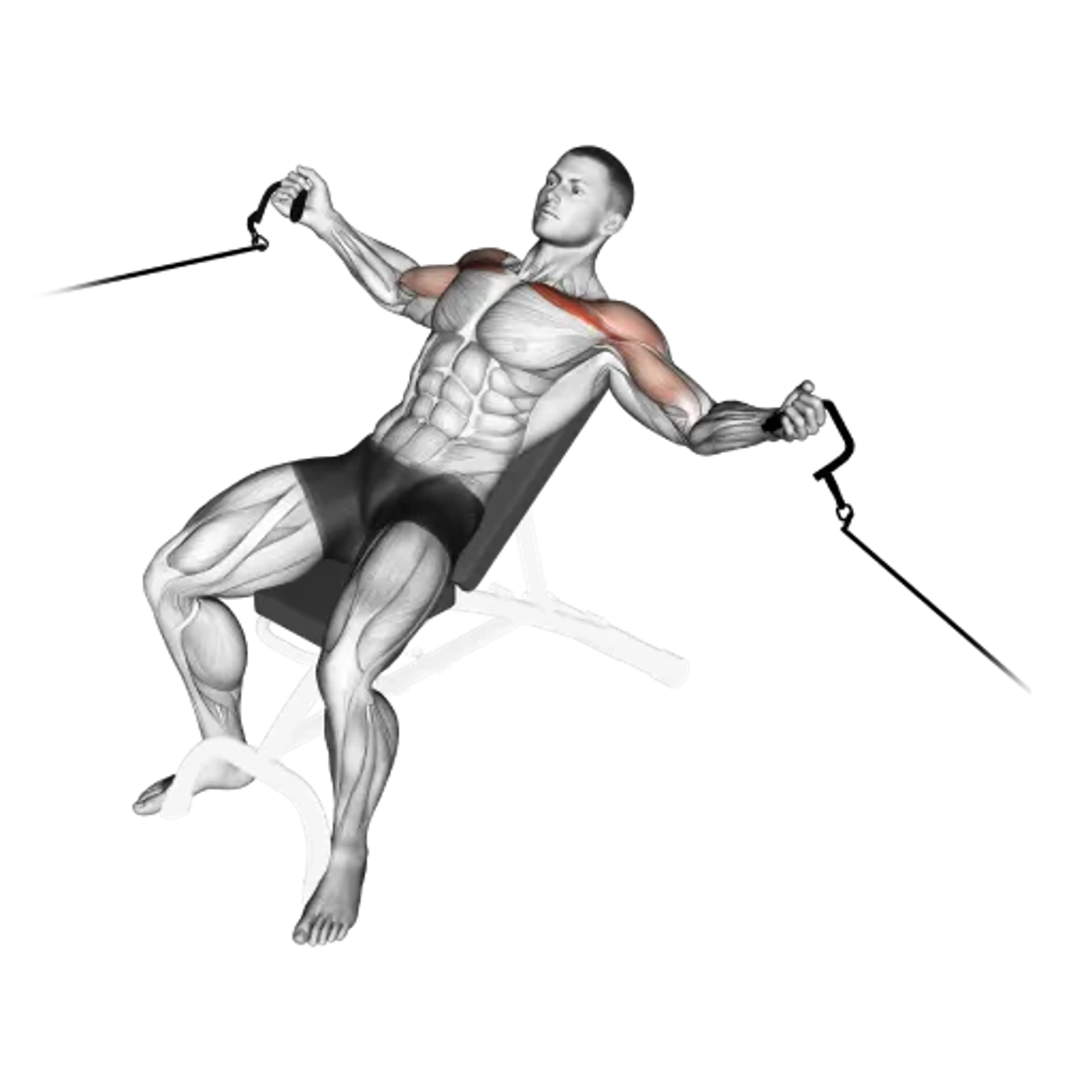
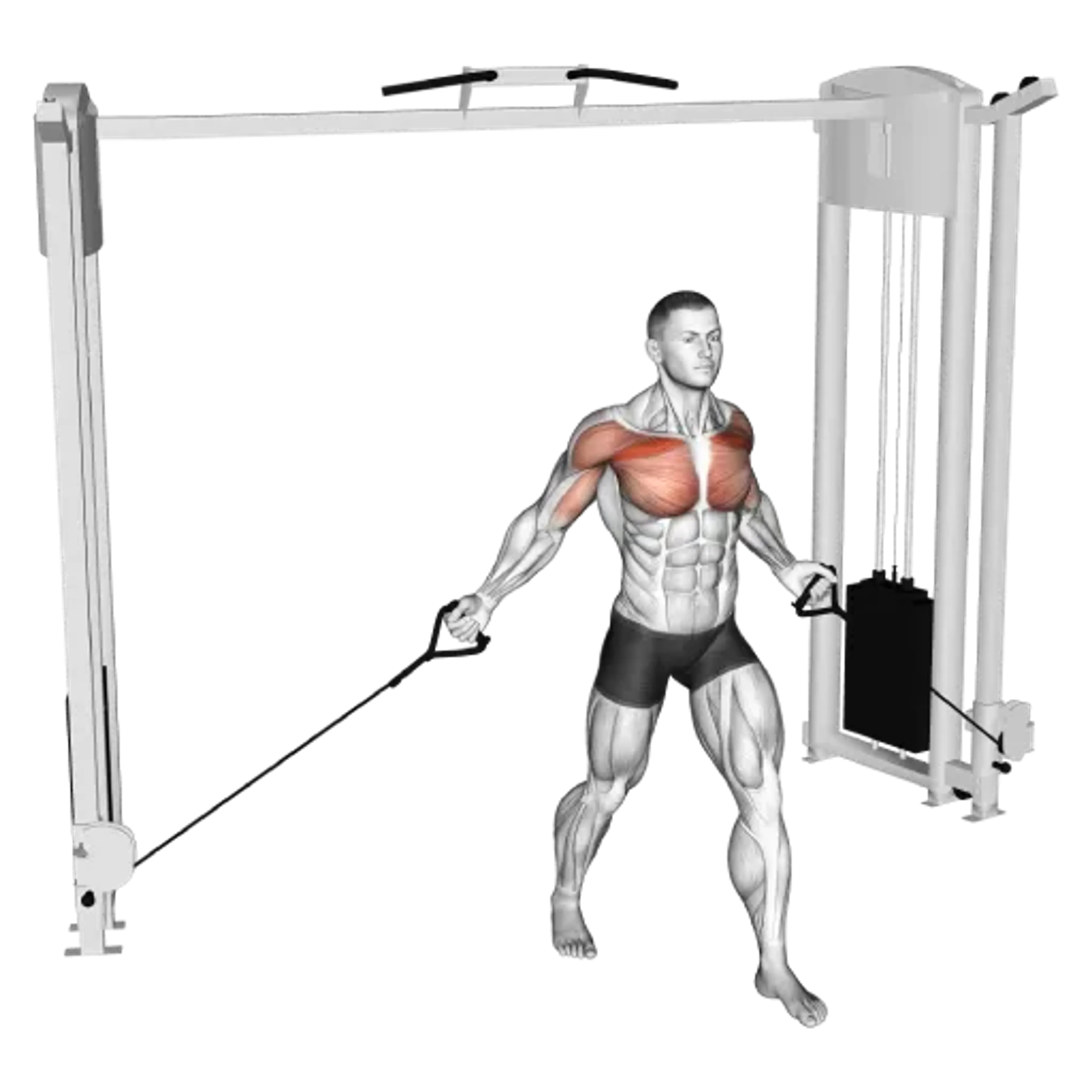
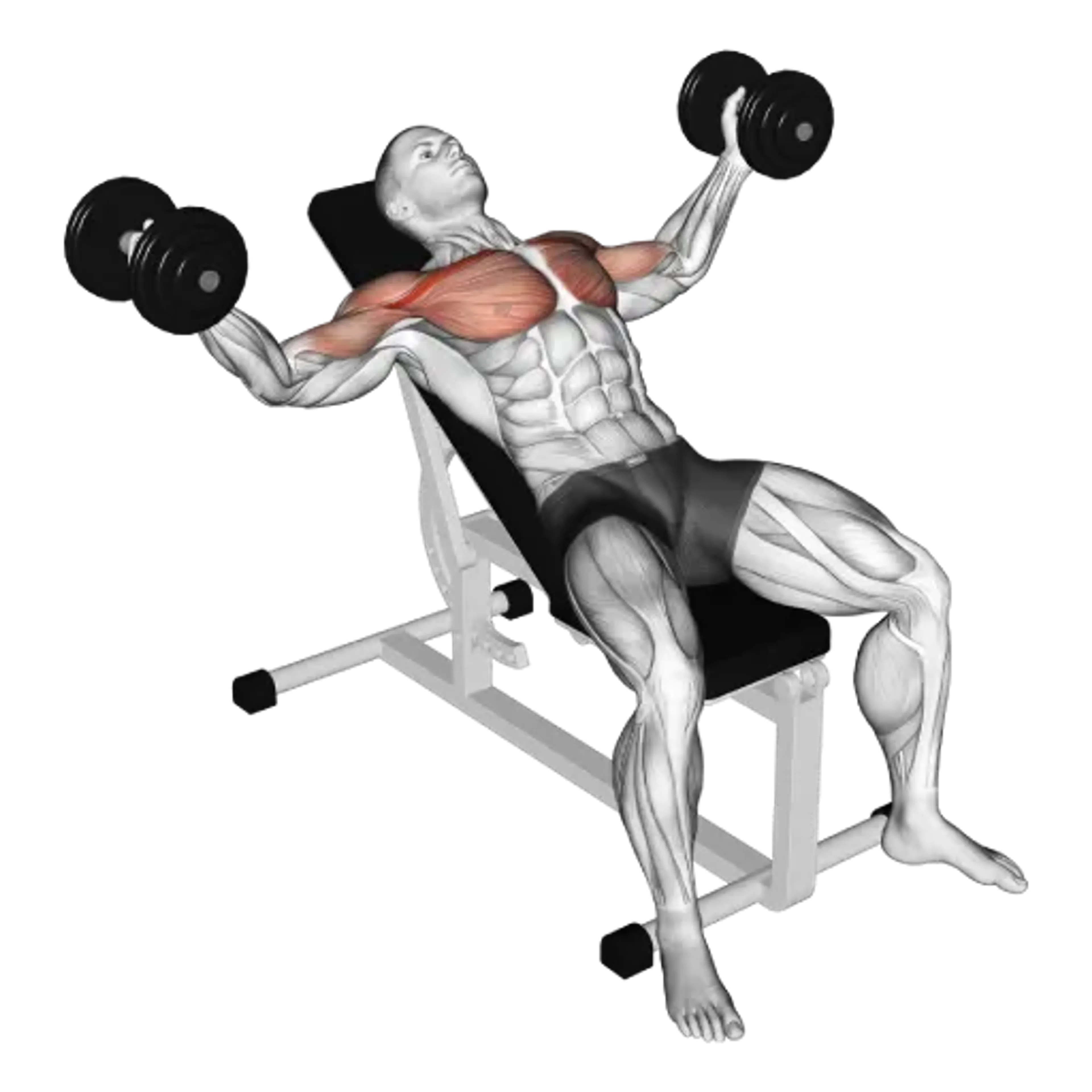
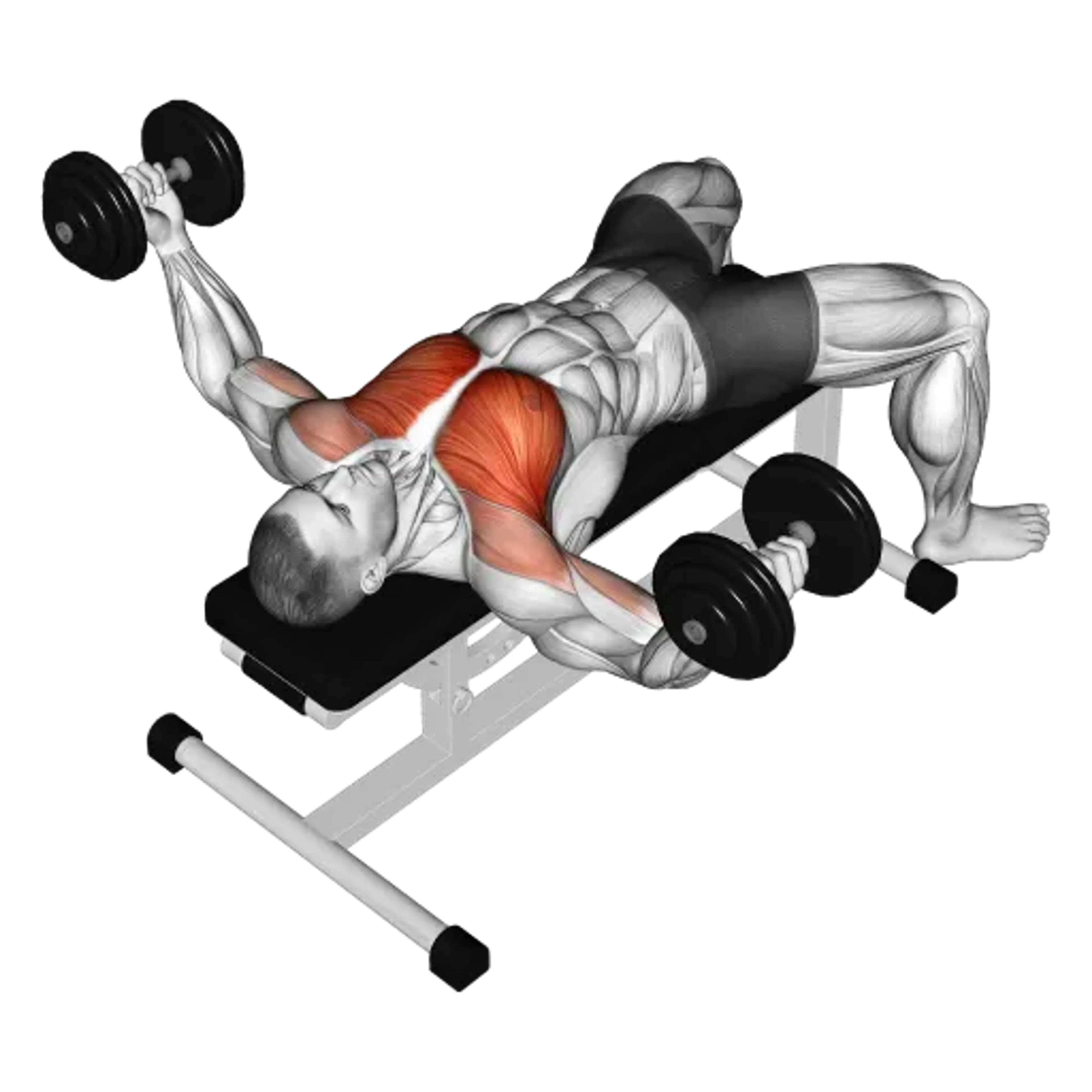
Frequently Asked Questions
- Q: How is this different from the flat exercise ball fly?
The incline position shifts the load toward the upper (clavicular) fibers of the pectoralis major. The Dumbbell Exercise Ball Fly in the flat position distributes the work more evenly across the entire chest.
- Q: What weight should I start with?
Start with dumbbells that are roughly 40 to 50 percent of what you would use for a stable incline dumbbell fly. The balance demand is significant, and using lighter weights allows you to learn the movement pattern safely before progressing.
- Q: Can I perform this exercise at the end of a chest workout?
Yes. Incline flies are commonly used as a finishing exercise to stretch and pump the upper chest after heavier pressing work. Two to three sets of 12 to 15 reps is a typical approach for a finisher.
- Q: Should I keep my palms facing each other the whole time?
Keeping the palms facing each other throughout the movement is standard. Some lifters rotate the palms slightly outward at the bottom to increase the stretch, but this also adds stress to the shoulder joint and is not necessary for most people.
Overview
- Primary Focus:
- Chest.
- Equipment:
- Dumbbell and exercise ball.
- Difficulty:
- Intermediate.