Weighted Exercise Ball Crunch

Overview
- Primary Focus:
- Core.
- Equipment:
- Exercise ball and weight plate.
- Difficulty:
- Intermediate.
General Information
Weighted Exercise Ball Crunch is an isolation exercise that primarily targets the rectus abdominis and also engages the obliques and serratus anterior. It is an intermediate-level movement that adds external resistance to the standard stability ball crunch by holding a weight plate against the chest or overhead, significantly increasing the demand on the abdominal muscles.
Performing crunches on an exercise ball rather than the floor provides a greater range of motion because the spine can extend over the curvature of the ball before initiating the crunch. This pre-stretch places the abs under load through a longer movement path, and the addition of a weight plate compounds that effect. The unstable surface of the ball also forces the deep stabilizers of the trunk to work harder to maintain balance throughout the set.
This variation is an effective progression for anyone who finds bodyweight Exercise Ball Crunch too easy but is not yet ready for more advanced loaded movements like cable crunches. It allows for straightforward progressive overload since you can incrementally increase the plate weight over time, making it practical for structured core training programs.
Focus on controlling the descent and letting your upper back drape over the ball at the bottom of each rep to achieve a full stretch. On the way up, think about driving the ribcage toward the pelvis rather than simply lifting the shoulders. Keeping the weight plate close to the chest is generally easier; holding it behind the head increases the lever arm and makes the exercise harder.
Muscles Worked
- Rectus Abdominis
- Primary
- External Oblique
- High
- Rectus Abdominis (Lower)
- High
- Erector Spinae
- Medium
- Serratus Anterior
- Medium
- Deltoid
- Low
- Rectus Femoris
- Low
- Gluteus Maximus
- Minimal
Instructions
- Sit on the exercise ball and walk your feet forward until your lower back and hips are supported on the ball.
- Hold a weight plate against your chest with both hands or extend it behind your head for a greater challenge.
- Plant your feet flat on the floor at roughly shoulder width for stability.
- Lean back and let your upper back extend over the ball, feeling a stretch through the abs.
- Contract your abdominals to curl your torso upward, bringing your ribcage toward your pelvis.
- Squeeze at the top of the movement for a brief pause.
- Slowly lower back over the ball under control, returning to the stretched position.
- Maintain steady foot pressure on the floor throughout the set to prevent the ball from rolling.
Common Mistakes
Injuries
Weighted Exercise Ball Crunch is a medium risk exercise when performed with proper technique. The extended range of motion over the ball can place more stress on the lumbar spine than a floor crunch, and adding a weight plate increases that demand further.
The most common concern is hyperextending the lower back at the bottom of the movement. While a mild extension to stretch the abs is beneficial, going too far can compress the lumbar discs, especially under load. Keep the extension controlled and avoid letting your hips drop significantly below the level of the ball.
If you experience lower back discomfort, reduce the weight or switch to the unweighted version. Those with a history of spinal disc issues should consult a professional before incorporating this variation. Ensure the ball is properly inflated and on a non-slip surface to prevent it from shifting during the exercise, which could cause a fall.
Alternative Exercises
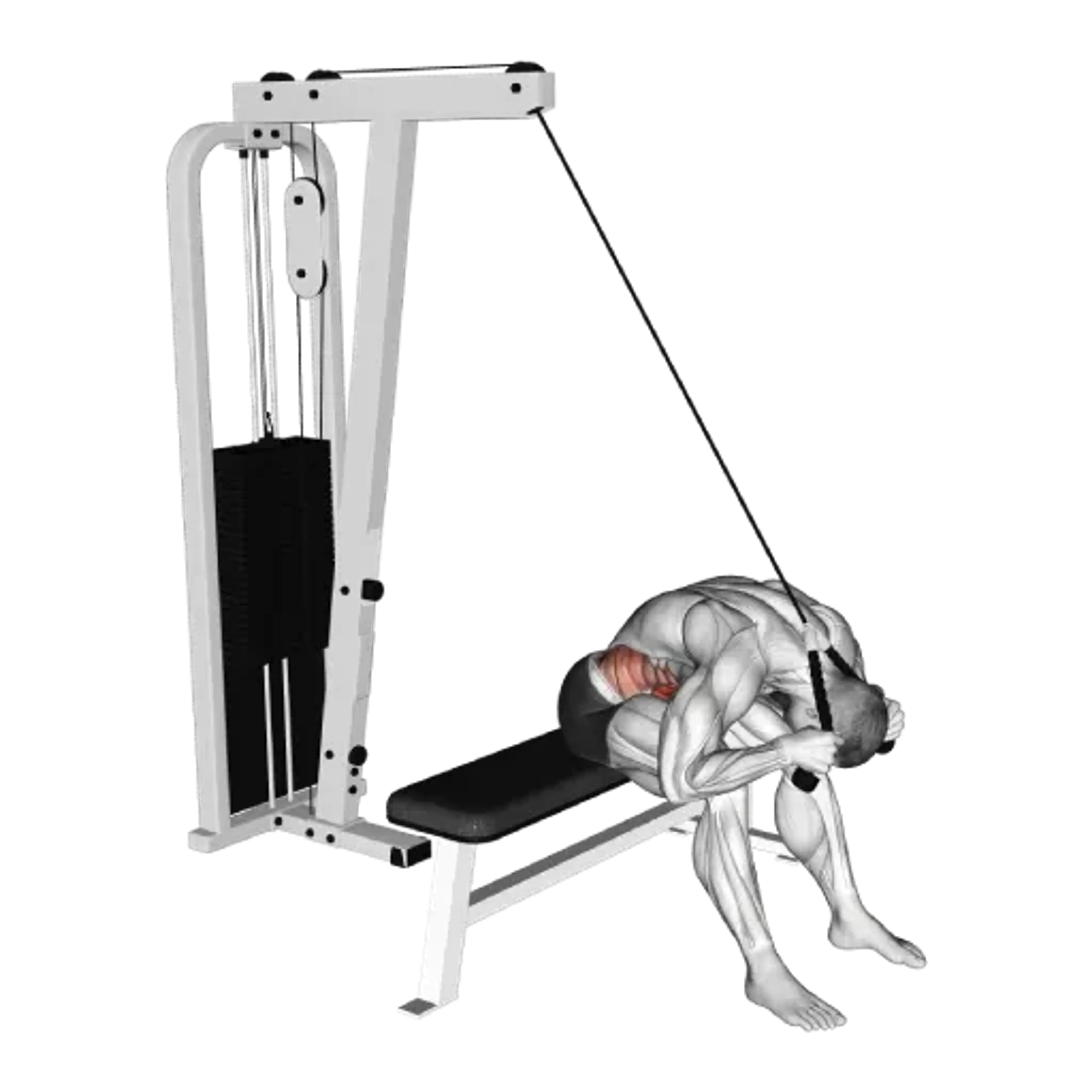
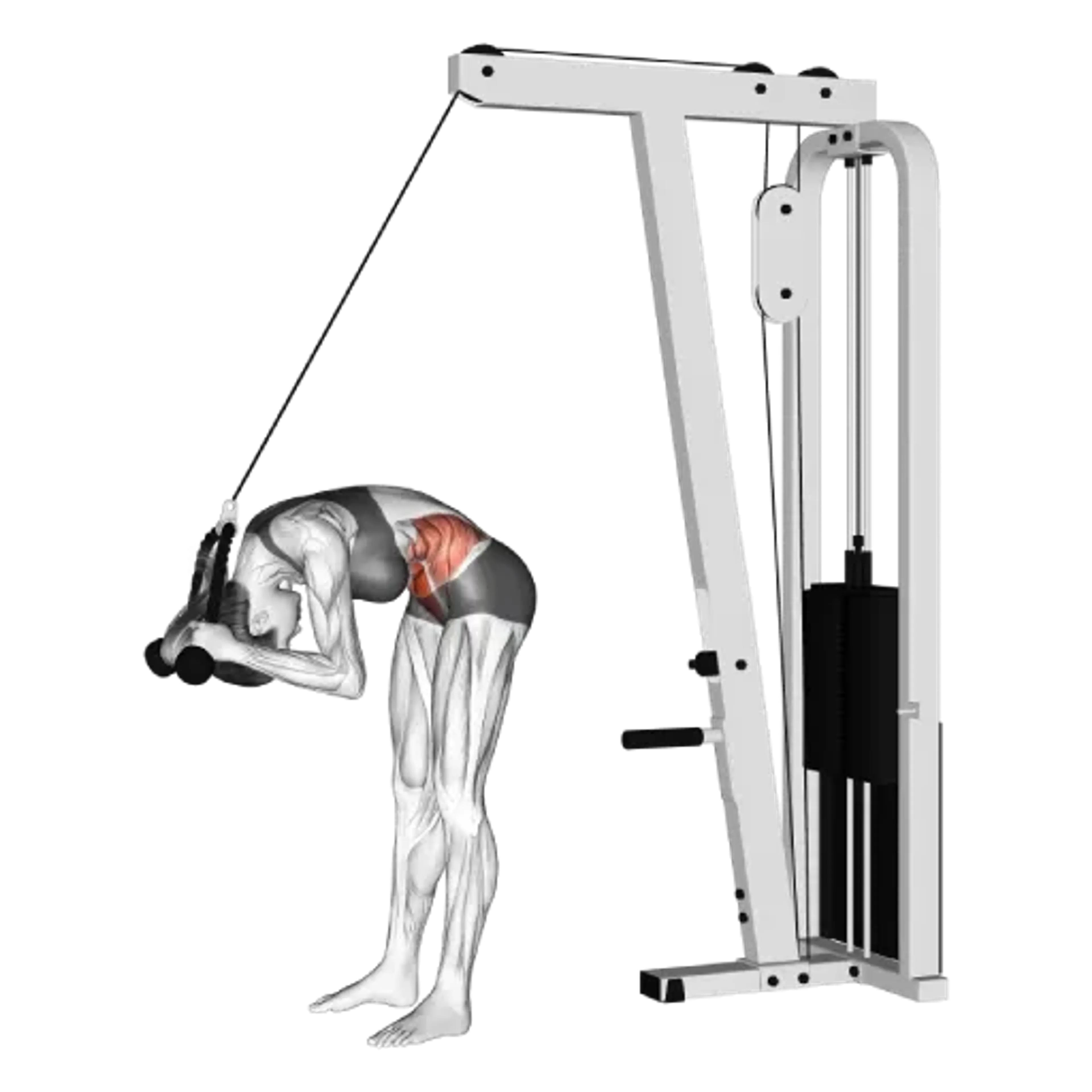
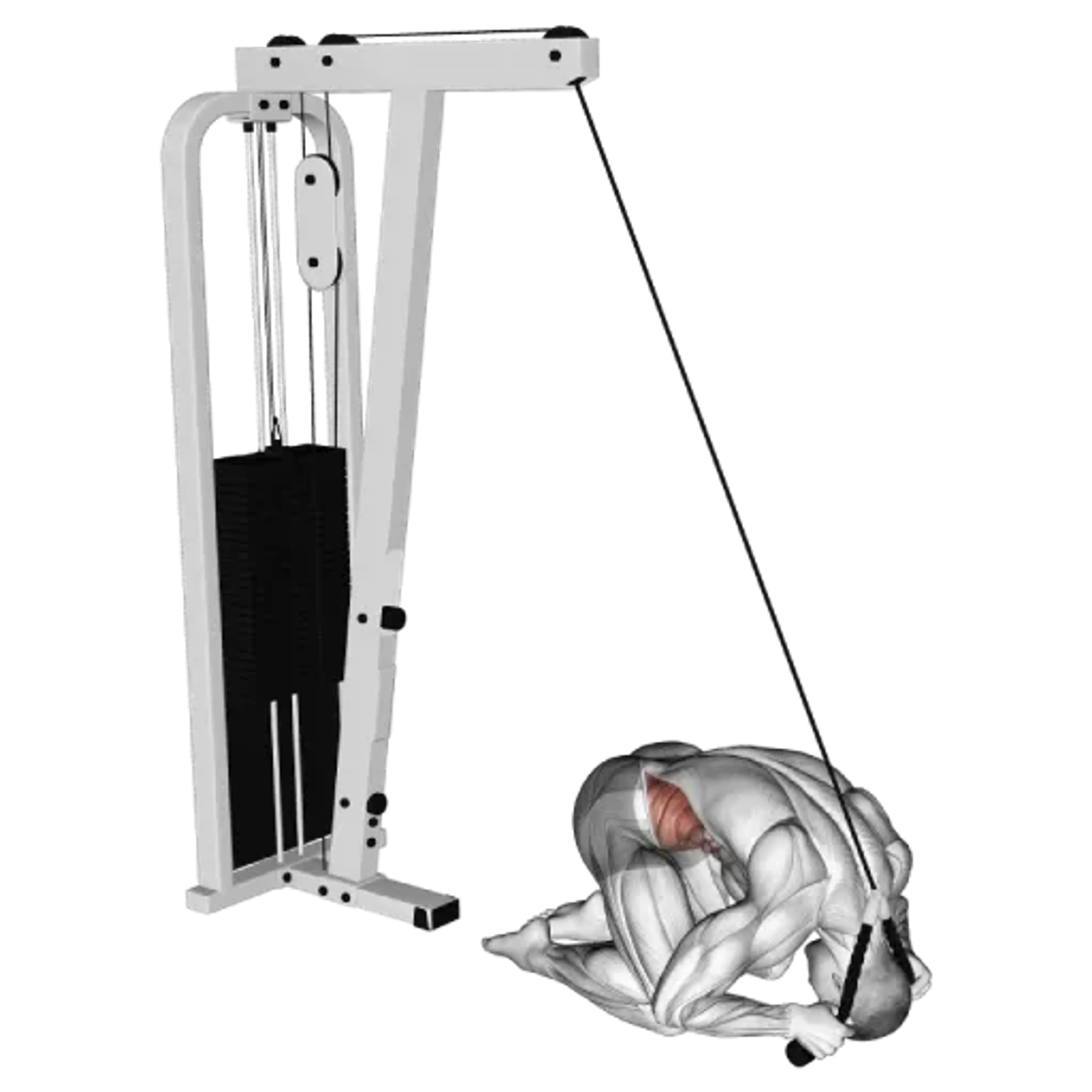
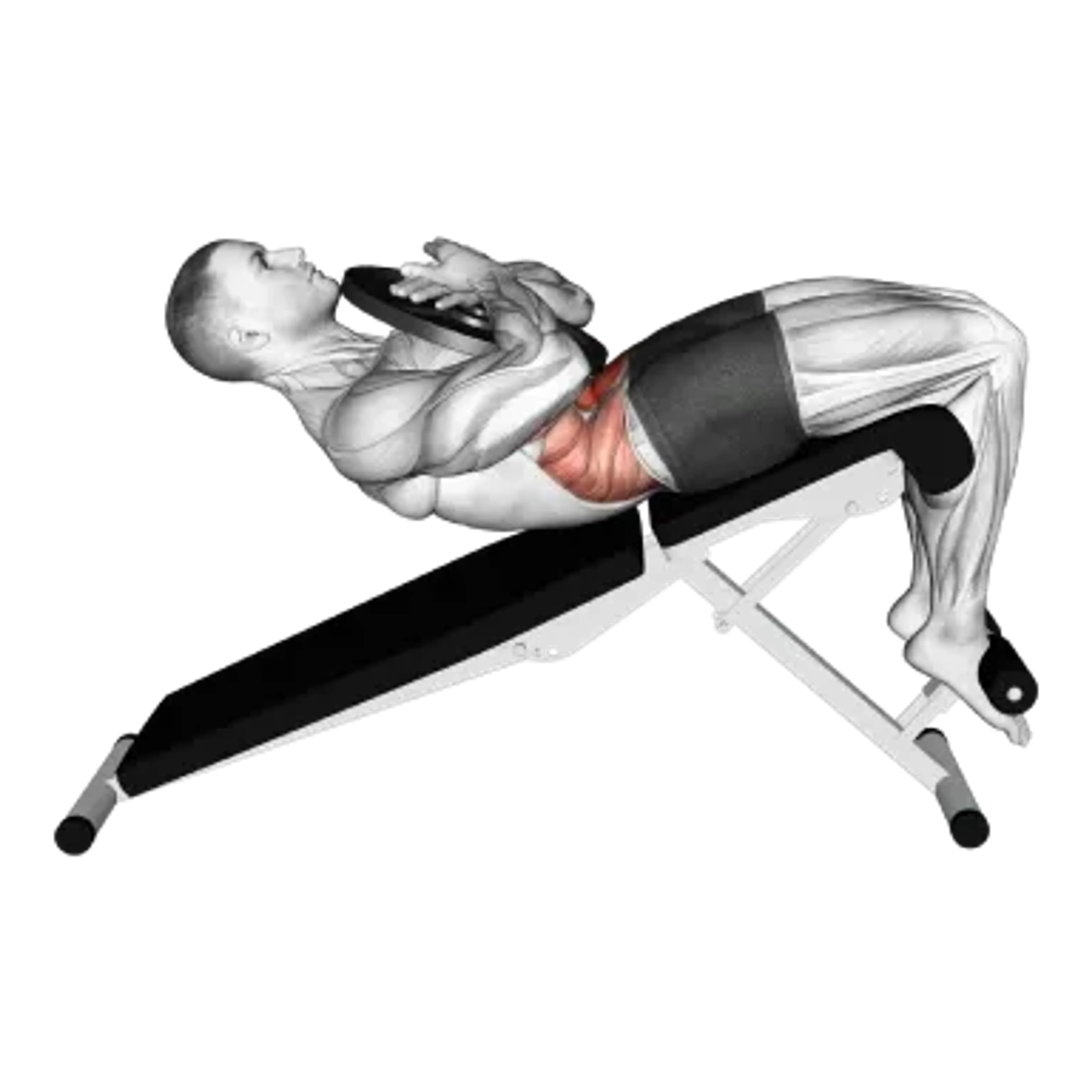
Frequently Asked Questions
- Q: Where should I hold the weight plate?
Holding it against your chest is the easiest position. Holding it behind your head with arms extended increases the lever arm and makes the exercise significantly harder. Choose the position that lets you complete your target reps with good form.
- Q: How much weight should I start with?
Start with a 5 to 10 pound plate and focus on full range of motion and a controlled tempo. Increase the weight only when you can complete 15 or more reps with a slow, deliberate cadence.
- Q: Can I substitute a dumbbell for the weight plate?
Yes, a single dumbbell held at the chest works similarly. A weight plate tends to be easier to grip flat against the body, but either implement is effective.
- Q: Is this better than a cable crunch for ab development?
Both are effective. The exercise ball version provides a greater stretch at the bottom of the rep, while cable crunches offer more consistent resistance throughout the range of motion. Rotating between both is a reasonable approach.
Overview
- Primary Focus:
- Core.
- Equipment:
- Exercise ball and weight plate.
- Difficulty:
- Intermediate.