Kettlebell Single-Leg Deadlift

What Is the Kettlebell Single-Leg Deadlift?
Kettlebell Single-Leg Deadlift is a compound exercise that primarily targets the hamstrings and glutes and also engages the lower back, the hip stabilizers and the core. It is an intermediate-level movement in which you balance on one leg and hinge forward at the hip, lowering a single kettlebell toward the floor while the free leg extends behind you.
The exercise builds hip-hinge strength one leg at a time, so each side has to do its own work and any difference between them shows up quickly. Standing on one foot also trains balance and control at the hip, knee and ankle, which is why coaches often place it after the main lower-body lift as an accessory, or use lighter versions in warm-ups for runners and field-sport athletes. Because the balance demand limits how much you can hold, it builds a lot of posterior-chain work with a modest load.
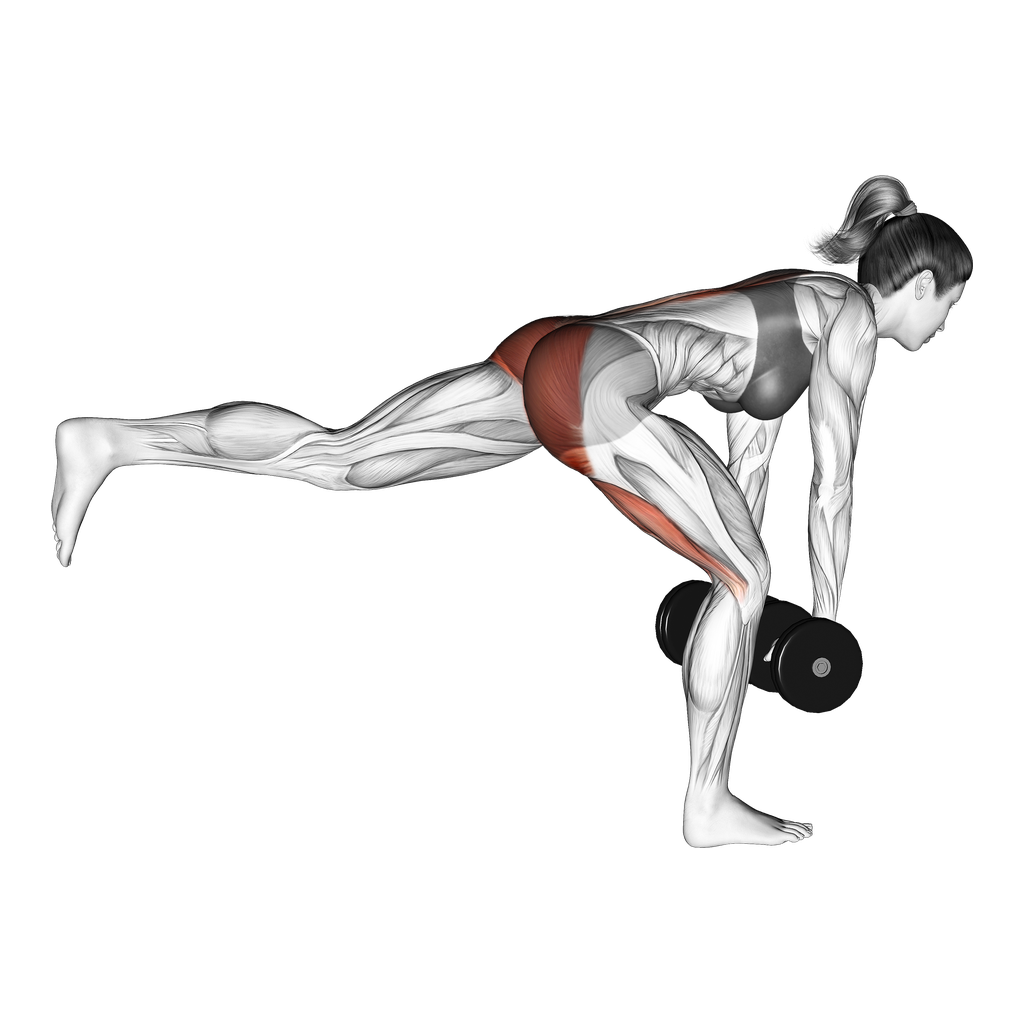
The version shown holds the kettlebell in the hand on the same side as the standing leg, with the standing knee clearly bent. The same-side hold is the steadier of the two loading options and lets most people use a heavier bell, while holding it in the opposite hand adds a rotational challenge that the hips and trunk have to resist. A straighter standing leg puts more stretch on the hamstrings, and more knee bend shares more of the work with the glutes. The kettlebell's compact shape lets it hang close to the shin, which keeps the load near the line of the standing leg.
It suits lifters who can already hinge well with both feet down, for example in the Kettlebell Romanian Deadlift. If balance is the limit, master the Bodyweight Single-Leg Deadlift first, or use a kickstand stance such as the Dumbbell B-Stance Romanian Deadlift, where the back toe stays on the floor. Feeling the stretch build in the hamstring and glute of the standing leg as you lower is the most useful sign that the hips are doing the moving rather than the lower back.
Muscles Worked
- Biceps Femoris
- Primary
- Gluteus Maximus
- Primary
- Semimembranosus
- Primary
- Semitendinosus
- Primary
- Erector Spinae
- High
- Gluteus Medius
- High
- Adductor Magnus
- Medium
- Gluteus Minimus
- Medium
Instructions
- Stand tall with your feet about hip-width apart and hold one kettlebell by the handle in the hand on the same side as the leg you will stand on, arm hanging straight beside your thigh.
- Shift your weight onto that leg, spread it across the whole foot and unlock the knee into a slight bend.
- Brace your core, then push your hips back to start the hinge while the free leg lifts behind you.
- Keep the free leg straight with its toes pointing down, so it rises in line with your torso and your hips stay square to the floor.
- Let the standing knee bend a little more as you lower, so the shin angles slightly forward, and reach the free arm back and out to the side for balance.
- Let the kettlebell hang straight down beside the standing shin and lower it until it is just above the floor, stopping earlier if your back starts to round.
- Drive through the standing foot and bring your hips forward to stand tall, lowering the free foot back to the floor.
- Finish the set, then move the kettlebell to the other hand and repeat standing on the other leg.
Common Mistakes
Opening the hips
Letting the hip of the raised leg rotate up toward the ceiling twists the pelvis and takes work away from the glute and hamstring of the standing leg.
Rounding the back to reach the floor
Chasing the floor past the range your hamstrings allow rounds the lower back and moves the load from the hips onto the spine.
Locking or squatting the standing knee
A locked knee strains the joint and a deep knee bend turns the hinge into a single-leg squat, so hold a moderate bend and let the hips do the moving.
Letting the bell drift forward
Reaching the kettlebell out in front instead of letting it hang straight down beside the shin pulls the shoulders forward and makes balancing harder.
Bending the raised leg
When the free knee bends and the foot drops, the torso tips forward on its own instead of moving as one straight line from head to heel.
Rushing the descent
Dropping quickly into the bottom costs balance and stretches the standing-leg hamstring without control.
Injuries
Kettlebell Single-Leg Deadlift is a low risk exercise when performed with proper technique. The weight is limited by balance long before it threatens the spine, but the lower back, the hamstring of the standing leg and the standing knee and ankle still take strain when form slips.
The lower back is loaded most when the spine rounds to reach the bell toward the floor, so stop the descent where your back stays flat, even if the bell is still well above the ground. Lower under control rather than dropping into the bottom, because the hamstring of the standing leg is at its longest there. Keep the standing knee softly bent instead of locked, and if you start to tip, set the free foot down rather than twisting to save the rep.
If balance or range is the problem, go back to the Bodyweight Single-Leg Deadlift, rest the fingertips of the free hand on a wall, or use the kickstand Dumbbell B-Stance Romanian Deadlift. Once the same-side version is steady, progress with a heavier bell, a pause at the bottom or by moving the bell to the hand opposite the standing leg.
Stop if you feel a sharp or pulling pain in the back of the thigh, pain that spreads from the lower back into the leg, or pain in the standing knee or ankle, and get it assessed before loading the movement again.
- Primary Focus
- Hamstrings and glutes
- Equipment
- Kettlebell
- Modality
- Strength
- Difficulty
- Intermediate
Alternative Exercises
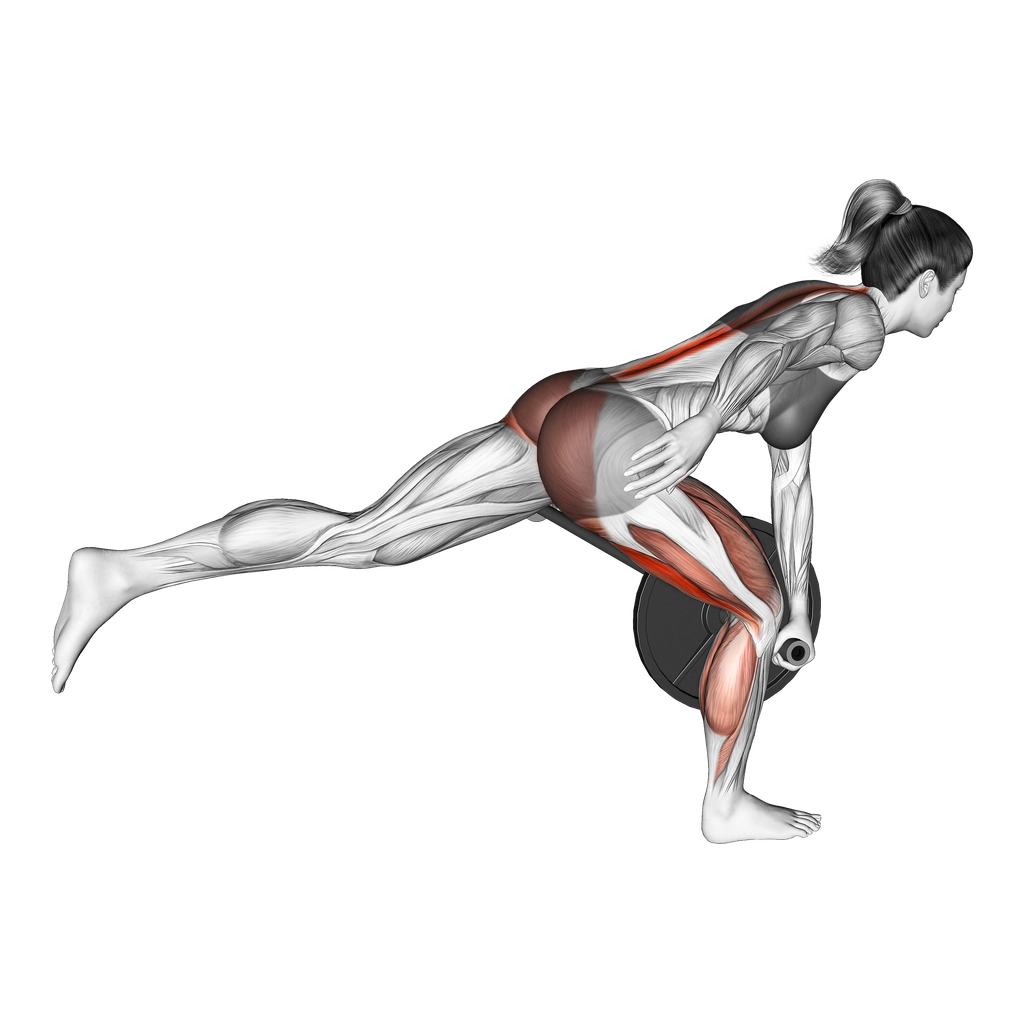 Intermediate
Landmine Single-Leg Romanian Deadlift
Barbell · Landmine
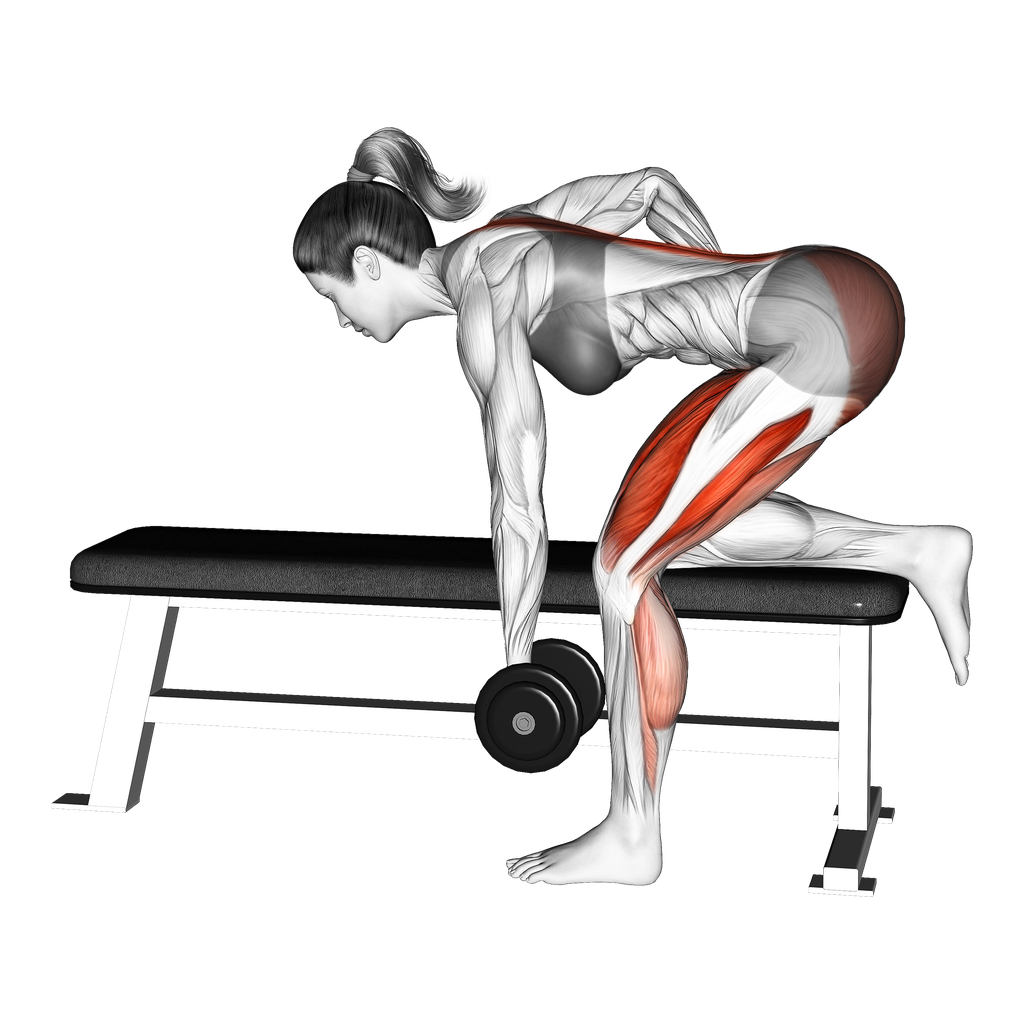 Intermediate
Dumbbell Single-Leg Romanian Deadlift (Rear Foot Elevated)
Dumbbell · Bench
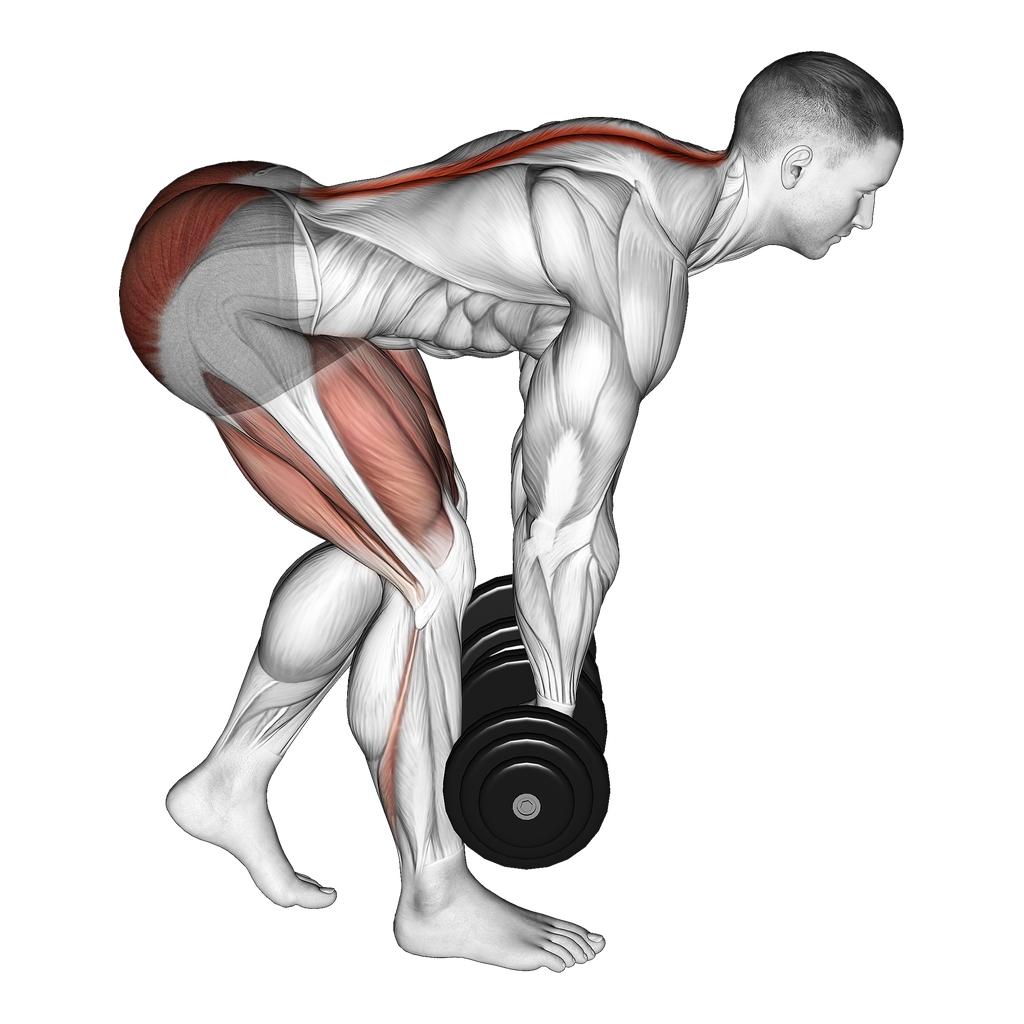 Intermediate
Dumbbell B-Stance Romanian Deadlift
Dumbbell
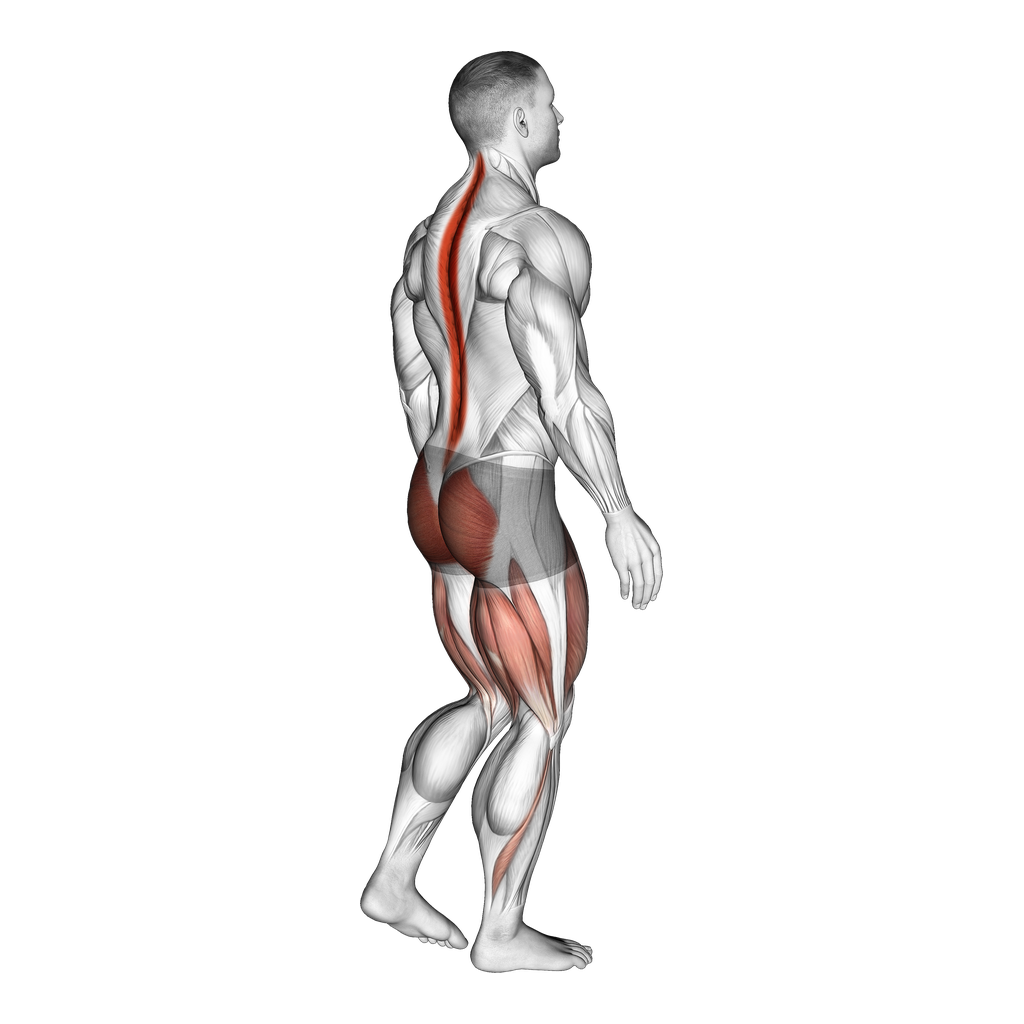 Beginner
Bodyweight Single-Leg Deadlift
Body Weight
 Intermediate
Dumbbell Single-Leg Deadlift
Dumbbell


Other Names for the Kettlebell Single-Leg Deadlift
The Kettlebell Single-Leg Deadlift is also known as:
- Kettlebell Single-Leg Romanian Deadlift
Frequently Asked Questions
- Q: Should I hold the kettlebell on the same side as my standing leg or the opposite side?
Either works, and they train slightly different things. The same-side hold shown here is the steadier option and usually allows a heavier bell. A study of trained men doing the single-leg Romanian deadlift with a dumbbell found more gluteus maximus and gluteus medius activity when the weight was in the hand opposite the standing leg, with no change in hamstring activity, so switch hands when the glutes are the priority.
- Q: How much should the standing knee bend?
Unlock it at the start and let it bend a little more as the hips travel back, so the shin angles slightly forward as in the image. A locked knee strains the joint, while bending so far that the hips drop turns the movement into a single-leg squat.
- Q: How heavy should the kettlebell be?
Start with the bodyweight version until you can hinge with square hips and a flat back, then add a light bell. Choose a weight you can control for 6 to 10 slow reps on each leg without touching the free foot down, and increase it only when the last reps look like the first.
- Q: Why do I keep losing my balance?
Most wobbling comes from rushing, letting the hips open or looking around. Fix your eyes on a spot on the floor a short way ahead, spread your weight across the whole standing foot and slow the lowering down. Fingertips on a wall or the Dumbbell B-Stance Romanian Deadlift help while the balance catches up.
- Q: Is this the same as a single-leg Romanian deadlift?
Yes, the two names are used for the same one-leg hinge. Some coaches use the Romanian label only for a straighter-legged version that stops short of the floor, but the movement pattern is the same.