Machine Incline Single-Arm Chest Press

What Is the Machine Incline Single-Arm Chest Press?
Machine Incline Single-Arm Chest Press is a compound exercise that primarily targets the chest and also engages the front of the shoulders and the triceps. It is a beginner-level movement performed on a plate-loaded incline press with independent lever arms: you sit with your back against an inclined pad and press one handle up and slightly inward from upper-chest height while your other arm rests on your thigh.
The incline angle shifts more of the work toward the upper part of the chest and the front of the shoulder than a flat press, and the machine's fixed path removes the balancing job a dumbbell would add, so nearly all of your effort goes into pressing. Working one arm at a time makes a strength difference between sides easy to spot and stops the stronger side from covering for the weaker one. Because the seat and back pad hold the torso in place, the one-sided load asks far less of the trunk than a free-weight single-arm press. Trainers usually program it as an accessory after the main press of the day or as a focused upper chest exercise in a muscle-building block.
The Machine Incline Bench Press and the Leverage Incline Bench Press train the same incline path with both arms at once, which lets you move more total weight. The Machine Single-Arm Chest Press keeps the one-arm setup but presses forward from chest height rather than upward, which moves the work toward the middle of the chest. The Dumbbell Incline Single-Arm Bench Press and the Cable Incline Single-Arm Bench Press take away the guided path, so the shoulder and trunk have to control the weight on their own.
The guided path and back support make it a good fit for newer lifters, for anyone returning to pressing after time off, and for lifters who want to bring up a lagging side without the balance demands of dumbbells. If pressing one arm at a time feels unsteady, start with the two-arm Machine Incline Bench Press or the Incline Push-Up to build a base first.
Muscles Worked
- Pectoralis Major
- Primary
- Deltoid
- High
- Serratus Anterior
- Medium
- Biceps Brachii
- Minimal
- External Oblique
- Minimal
Instructions
- Load the same plates on both lever arms so you can switch sides without reloading, keeping your hands clear of each arm while it moves.
- Adjust the seat so the handle sits level with your upper chest, just below the collarbone, when you sit down.
- Sit with your back, hips and the back of your shoulders against the pad and your feet flat on the floor, a little wider than hip width.
- Grip the handle on your working side with your whole hand, wrist straight, elbow below the handle and angled down and slightly out from your body.
- Rest your free hand on your thigh and keep both shoulders against the pad.
- Breathe out and press the handle up and slightly inward along the machine's path until your arm is extended above and in front of your head, without forcing the elbow into lockout.
- Breathe in and lower the handle under control along the same path until it is back beside your upper chest, without letting the plates rest between reps.
- Finish all reps on this side, lower the lever back to its starting position, then repeat with the other arm.
Common Mistakes
Wrong seat height
Leaving the seat where the last user set it can start the handle at your neck, which loads the front of the shoulder, or at your mid-chest, which turns the movement into a flat press.
Twisting toward the working side
Rotating the torso or peeling the working shoulder off the pad to finish a hard rep takes the load off the chest and puts the shoulder in a weaker position.
Flaring the elbow
Letting the upper arm drift straight out to the side at the bottom of the press puts more stress on the front of the shoulder than keeping the elbow angled down and slightly out.
Arching off the back pad
Pushing the chest up and the lower back away from the pad flattens the incline and shifts the work away from the upper chest.
Snapping into lockout
Forcing the elbow straight at the top of every rep jars the elbow joint and does nothing extra for the chest.
Dropping the weight
Letting the lever fall quickly or bounce off the bottom of the range skips the controlled lowering that does much of the work and can jolt the shoulder.
Injuries
Machine Incline Single-Arm Chest Press is a low risk exercise when performed with proper technique. The machine guides the handle along a fixed path and the back pad supports your torso, so the main strain point is the front of the shoulder. It is loaded most when the seat is set so the handle starts too high, when the elbow flares straight out to the side, or when you let the handle sink well behind the line of your chest at the bottom. The elbow can also take strain if you snap it straight at the top of each rep.
Set the seat so the handle starts level with your upper chest, just below the collarbone, and keep your back and the working shoulder blade against the pad for the whole set. Keep the elbow angled down and slightly out rather than flared, stop the lowering when the handle is back beside your upper chest, and finish each press with the elbow straight but not forced into lockout. Plate-loaded levers can swing when you add or remove plates on one side, so keep your hands and head clear of the lever arm while you load it.
If the movement feels unsteady or uncomfortable, use less weight, press with both arms on the Machine Incline Bench Press, or build up with the Incline Push-Up. Once every rep is smooth on both sides, progress by adding small plates, slowing the lowering phase or pausing briefly at the bottom, and later by moving to the Dumbbell Incline Single-Arm Bench Press.
Stop if you feel sharp or pinching pain in the front or top of the shoulder, pain deep in the chest or near the armpit, or numbness or tingling down the arm, and see a qualified clinician if it persists.
Alternative Exercises
 Intermediate
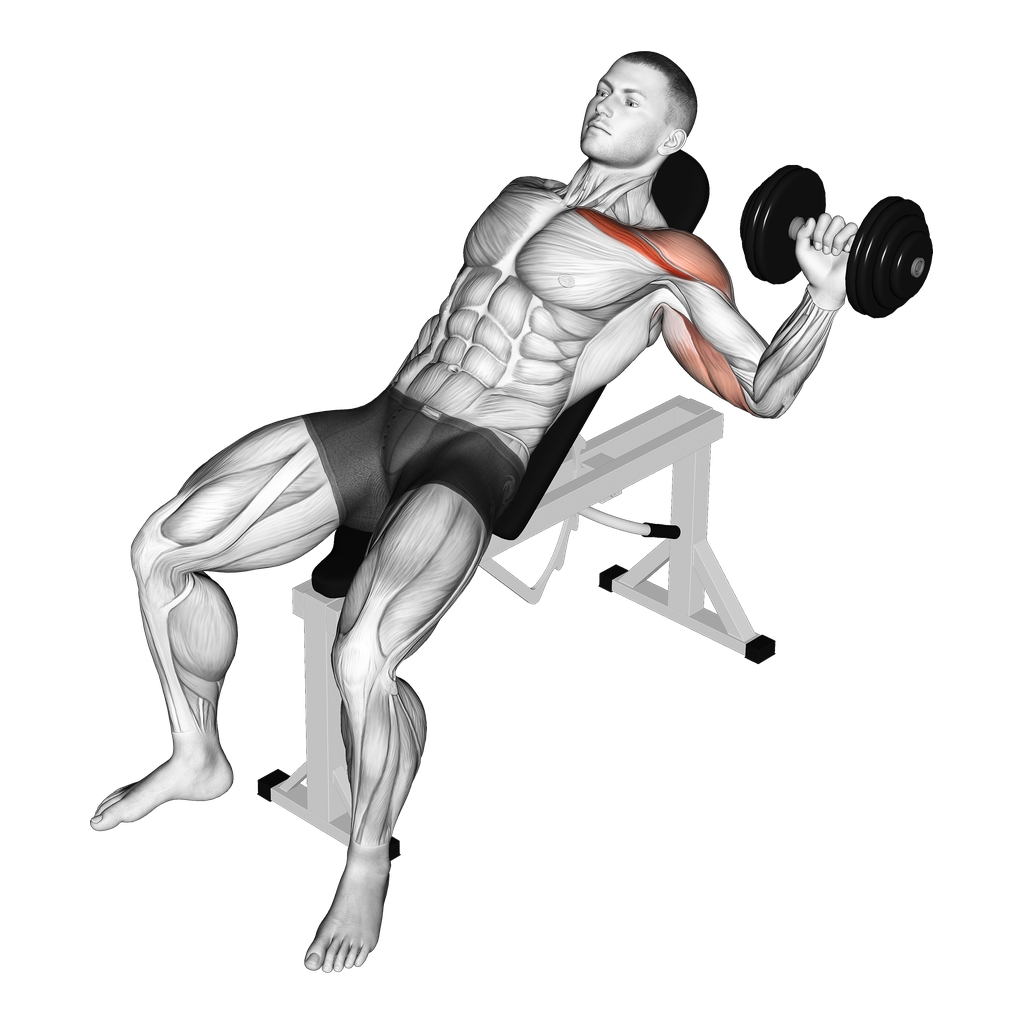
Dumbbell Incline Single-Arm Bench Press
Dumbbell · Bench
 Intermediate
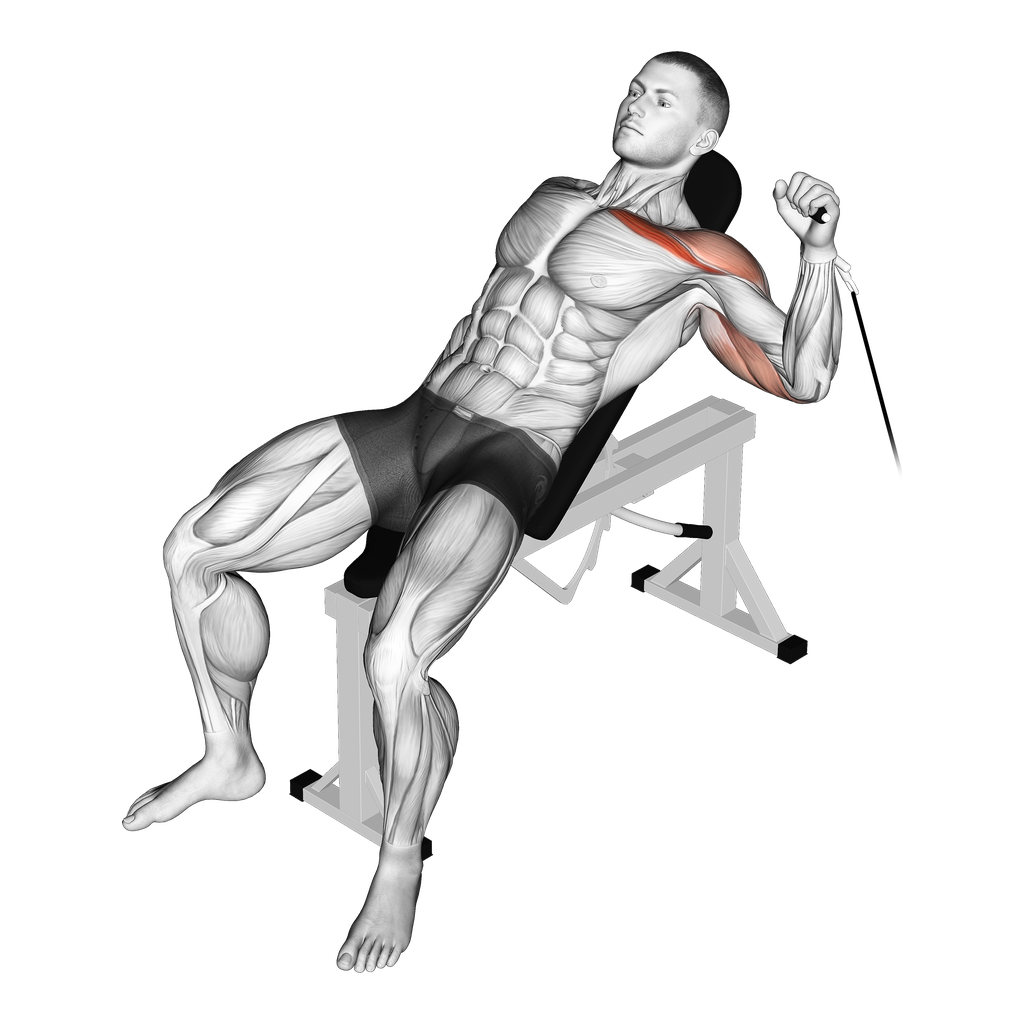
Cable Incline Single-Arm Bench Press
Cable · Bench
 Beginner
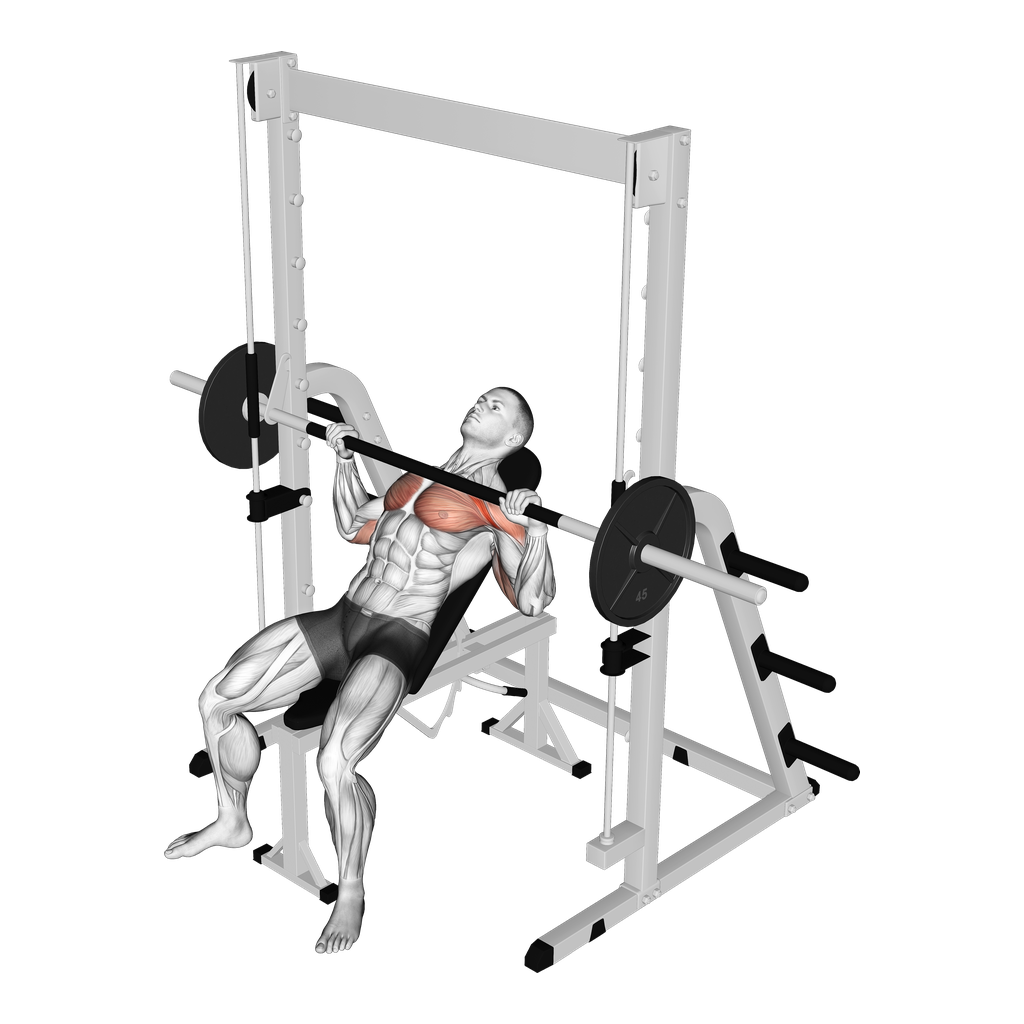
Smith Machine Incline Bench Press
Smith Machine · Bench
 Intermediate
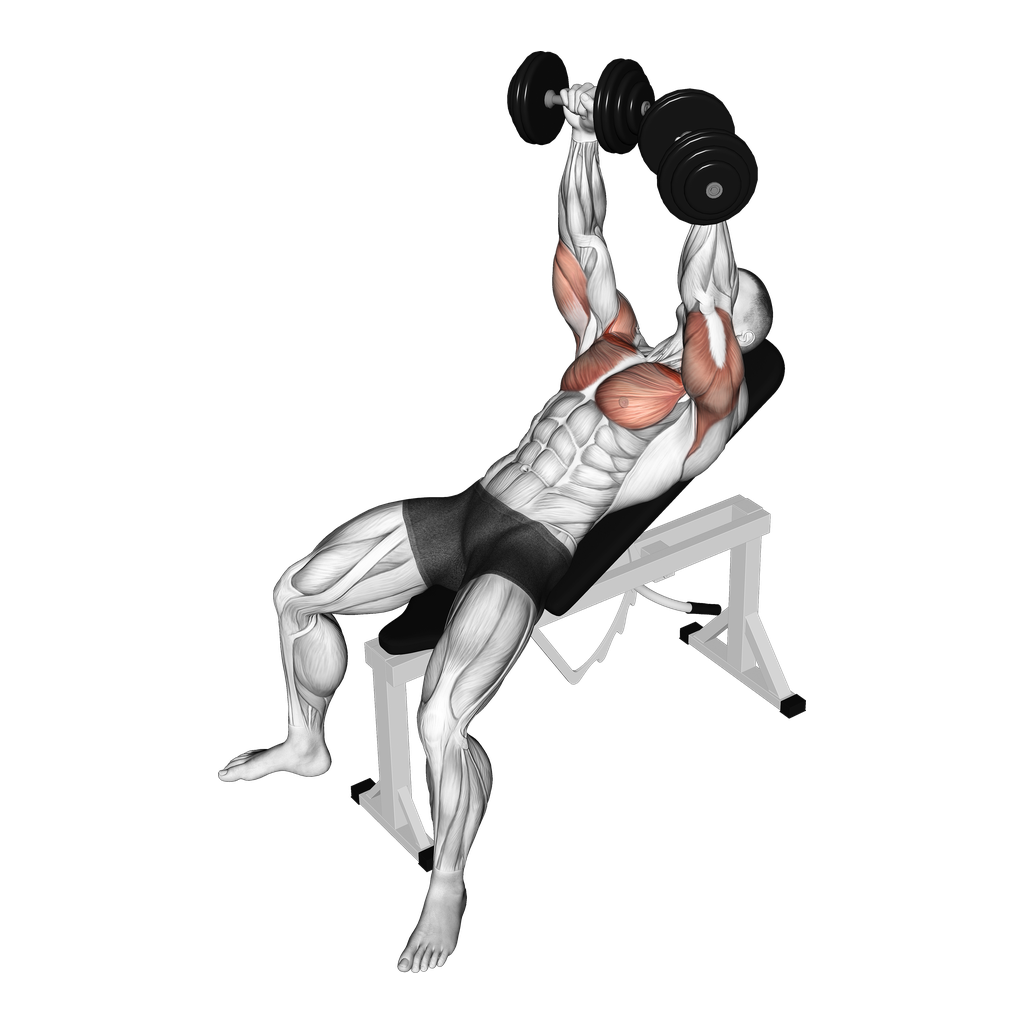
Dumbbell Incline Bench Press
Dumbbell · Bench
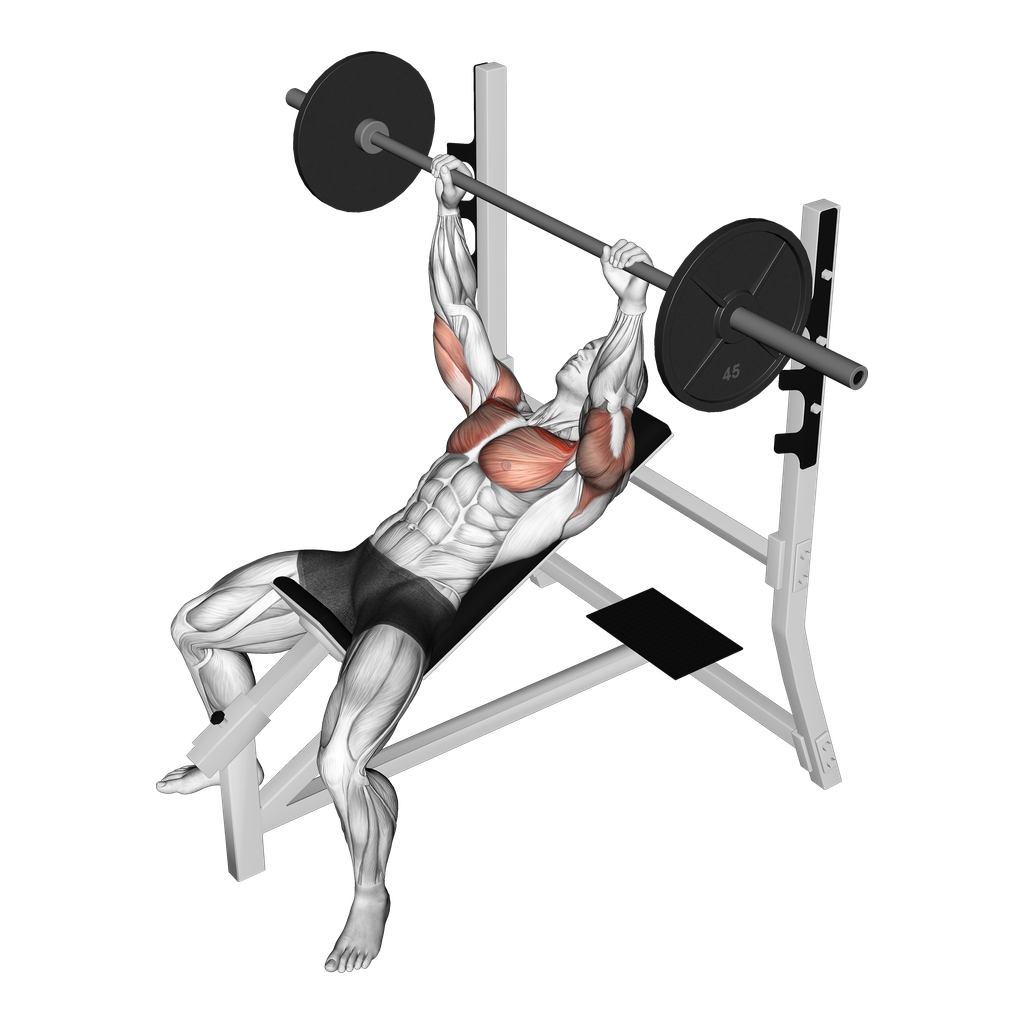 Intermediate
Barbell Incline Bench Press
Barbell · Bench


Frequently Asked Questions
- Q: Why press with one arm on a machine built for two?
The two lever arms on this kind of machine move independently, so working one at a time lets you focus on a single side, see whether one arm is weaker and keep the stronger arm from doing more than its share. Pressing with both arms, as in the Machine Incline Bench Press, lets you handle more total weight, so many programs use both.
- Q: Where should the handle be at the start of each rep?
Set the seat so the handle starts level with your upper chest, just below the collarbone. If it starts at your neck the press drifts toward a shoulder press, and if it starts at mid-chest it becomes closer to a flat press.
- Q: Which arm should I train first?
Start with your weaker side, note how many reps you get, then do the same number with the same weight on the stronger side. That keeps the gap between sides from growing.
- Q: What should I do with my free hand?
Rest it on your thigh, relaxed, and keep both shoulders against the back pad. If you notice your torso twisting toward the working side, hold the seat or frame with the free hand while you learn the movement.
- Q: How much weight should I load?
Start lighter than you would per side for the two-arm version until you know how the single-arm path feels. Load the same weight on both arms, and add plates only when every rep on both sides is smooth and controlled.