Stick Standing Shoulder External Rotation

What Is the Stick Standing Shoulder External Rotation?
Stick Standing Shoulder External Rotation is an isolation exercise that primarily targets the shoulders, turning the upper arm outward through the infraspinatus and teres minor of the rotator cuff while your other arm helps through a light stick. It is a beginner-level movement: you stand holding the stick in front of your waist with both elbows bent and tucked against your sides, and the free hand pushes the stick sideways so the working forearm swings out.
This is an active-assisted range of motion drill, a staple of shoulder rehabilitation and home programs for a stiff or painful shoulder, such as frozen shoulder, rotator cuff irritation or the stiffness that follows surgery once a clinician has cleared movement. Turning the arm outward is often one of the first motions a stiff shoulder loses, and the helping arm lets you reach and control range the shoulder cannot yet manage on its own. In a typical shoulder program it sits after gentle swinging drills and before unassisted motion and strengthening.
Because the free arm supplies most of the push, the working shoulder can stay fairly relaxed while it turns, and at the end of the range you should feel a gentle stretch across the front of the shoulder. It is a different drill from Stick Shoulder External Rotation Stretch, which is a static stretch with the arm raised; here the elbow stays at your side and the arm moves in and out for repetitions. It pairs naturally with Stick Standing Shoulder Abduction and Stick Standing Shoulder Extension as a short stick routine for the whole shoulder.
The drill suits older adults, low-mobility clients and anyone rebuilding shoulder motion. If even assisted turning hurts, Shoulder Pendulum is a gentler place to start. Once the full range comes easily and without pain, Seated Shoulder External Rotation does the same motion without help, and Band Shoulder External Rotation adds resistance to it.
The elbow of the working arm is the anchor: as long as it stays against your side, the turn happens at the shoulder. Let the pushing hand set the pace and keep the working arm loose, since gripping hard or trying to help with the working shoulder turns an assisted drill into an active one.
Muscles Worked
- Infraspinatus
- Primary
- Teres Minor
- Primary
- Deltoid
- Low
- Lower Trapezius
- Minimal
- Rhomboid Major
- Minimal
Instructions
- Stand tall with your feet about hip-width apart and your knees soft.
- Hold a light stick level in front of your waist with both palms facing up and your hands about shoulder-width apart.
- Bend both elbows to about 90 degrees and tuck them against your sides, forearms pointing forward and wrists straight.
- Relax your shoulders down away from your ears and choose the arm you will work first; keep that arm loose so it simply holds the stick.
- Keeping the working elbow pinned to your side, use your other hand to slowly push the stick sideways toward the working side, so that forearm swings outward.
- Stop at a gentle stretch across the front of the shoulder, or sooner if the elbow starts to leave your side or your trunk starts to twist.
- Pause for a few seconds and breathe steadily.
- Slowly push the stick back until both forearms point forward again.
- Repeat for the planned number of reps, then switch sides.
Common Mistakes
Elbow drifting off the side
Letting the working elbow slide forward or out lets the stick travel without the shoulder turning, so keep it pinned against your ribs throughout.
Twisting the trunk
Rotating the hips or chest toward the stick fakes extra range, so keep your body facing straight ahead and let only the forearm swing.
Forcing the stretch
Shoving the stick past a gentle stretch can pinch or strain the front of the shoulder, so each rep should end at a mild pull, not pain.
Working arm taking over
Gripping hard and turning the working arm on its own turns an assisted drill into an active one, so keep that arm loose and let the other hand push.
Shrugging
Lifting the shoulders toward the ears shifts the tension into the neck and upper trapezius instead of the shoulder joint.
Bending the wrists
Cocking the wrists moves the stick sideways without turning the upper arm, so keep the wrists straight in line with the forearms.
Injuries
Stick Standing Shoulder External Rotation is a low risk exercise when performed with proper technique. There is no weight to control, and the helping arm decides how far and how fast the shoulder turns, so the main risk comes from pushing the stick too far rather than from load.
The front of the shoulder is the usual strain point. Driving the stick past a gentle stretch can pinch or overstretch the front of the joint, and because the other arm can push harder than the working shoulder would ever turn on its own, it is easy to overdo. Letting the elbow slide away from your side or twisting the trunk makes the stick travel farther without adding any rotation, and shrugging moves the tension into the neck. Keep the elbow pinned to your side, face forward with your hips square, and stop at a mild stretch rather than at pain.
If assisted rotation still hurts, start with Shoulder Pendulum or Standing Isometric Shoulder External Rotation. When the full range is easy and pain-free, progress to Seated Shoulder External Rotation without the stick, then to Band Shoulder External Rotation with a light band.
Stop if you feel sharp or pinching pain in the front or top of the shoulder, a painful click or catch, or numbness or tingling down the arm, and see a clinician if pain lingers after the session. After a shoulder replacement, a rotator cuff or subscapularis repair, or a dislocation, outward rotation is often limited to a set angle or not allowed at all for the first several weeks, so follow your surgeon's or physical therapist's limits before using this drill.
- Primary Focus
- Shoulders
- Equipment
- Other
- Modality
- Stretching
- Difficulty
- Beginner
Alternative Exercises
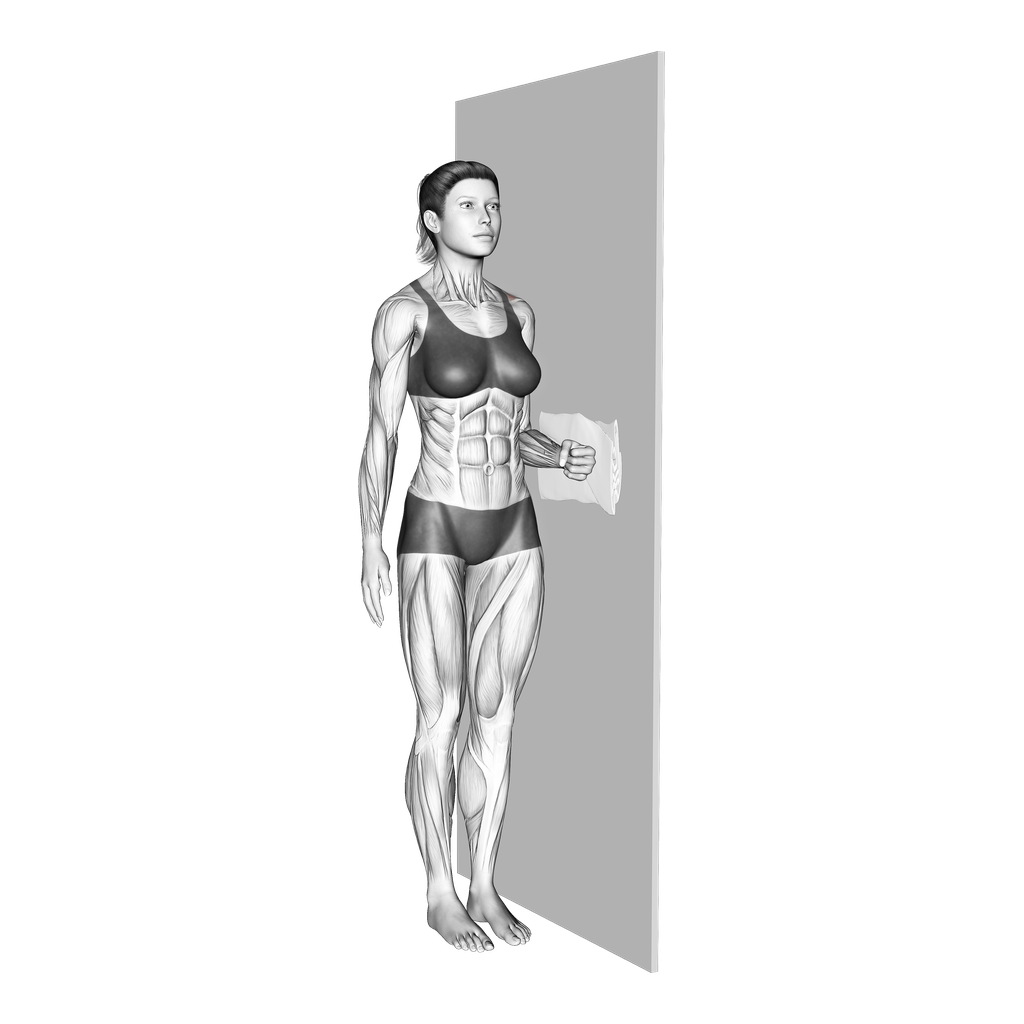 Beginner
Standing Isometric Shoulder External Rotation
Body Weight · Other
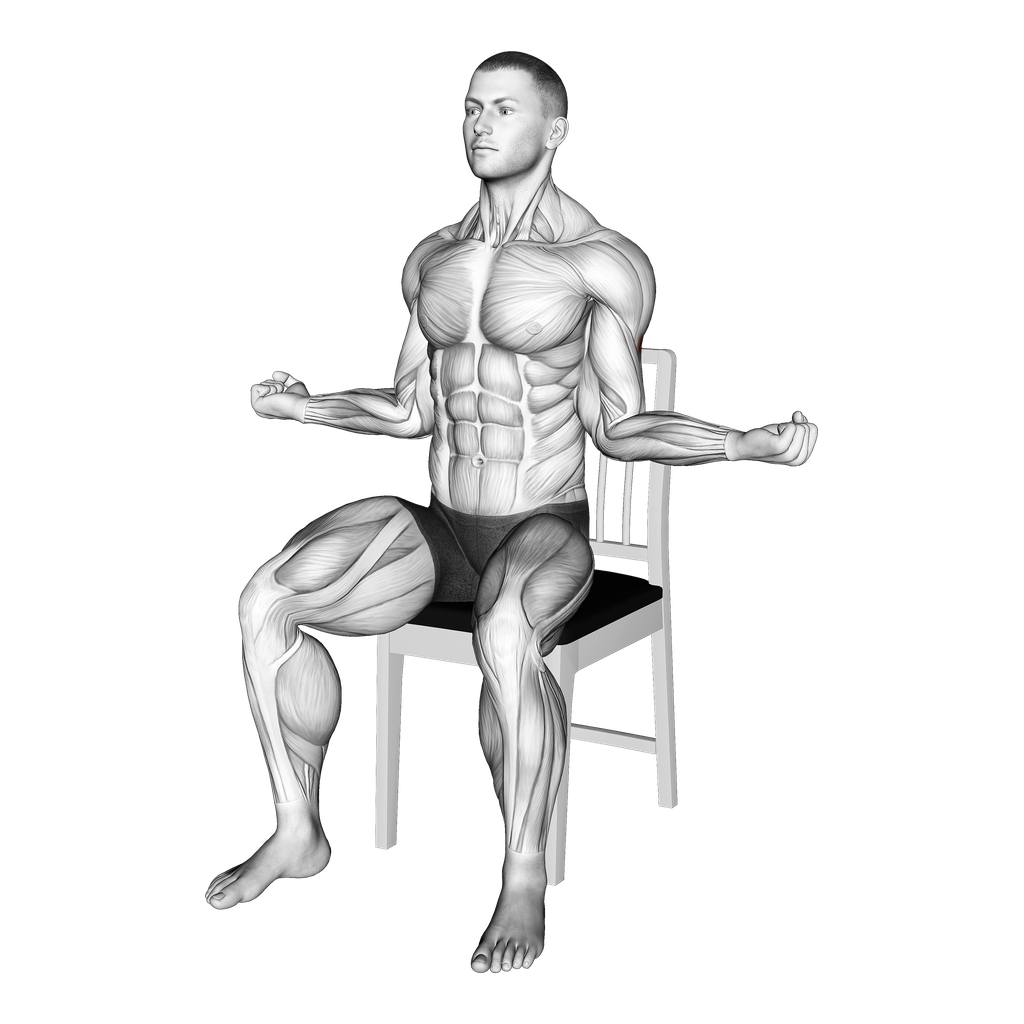 Beginner
Seated Shoulder External Rotation
Body Weight · Other
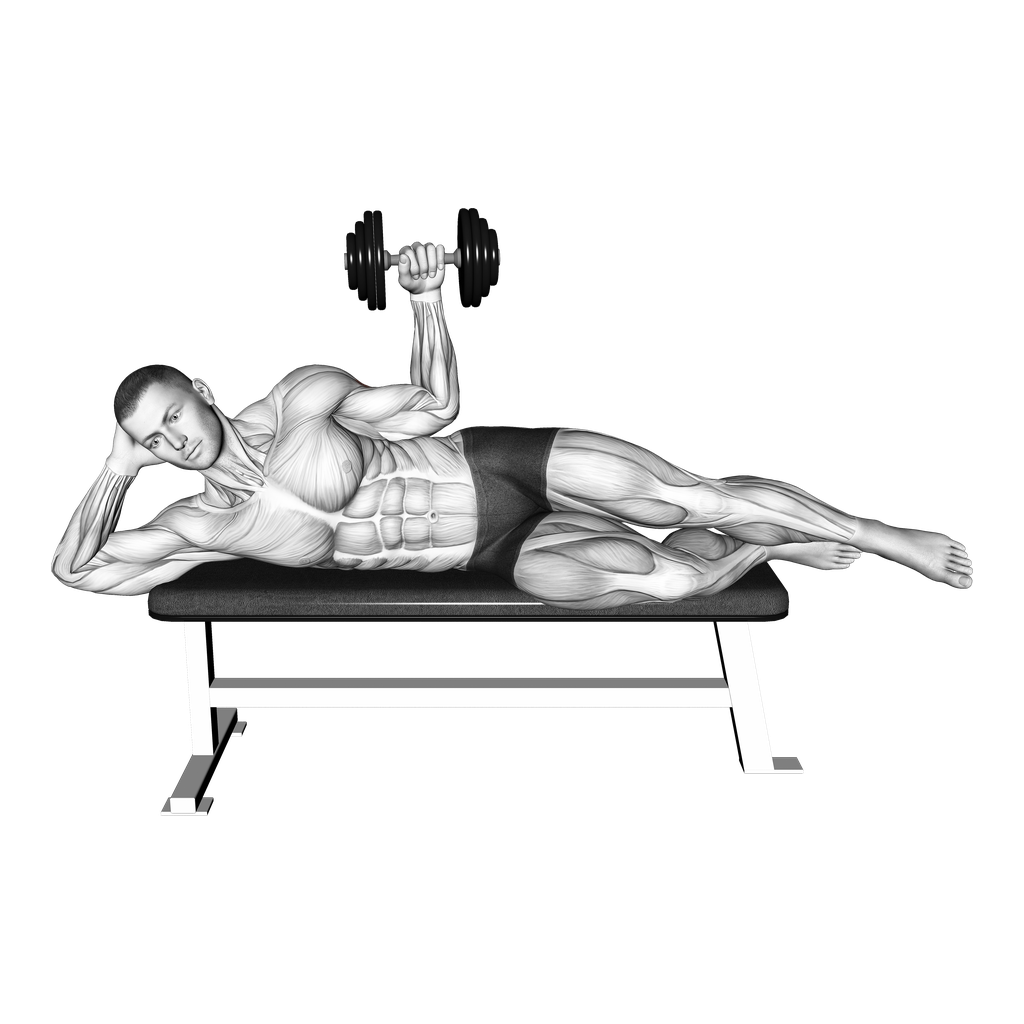 Beginner
Dumbbell Side-Lying Shoulder External Rotation
Dumbbell · Bench
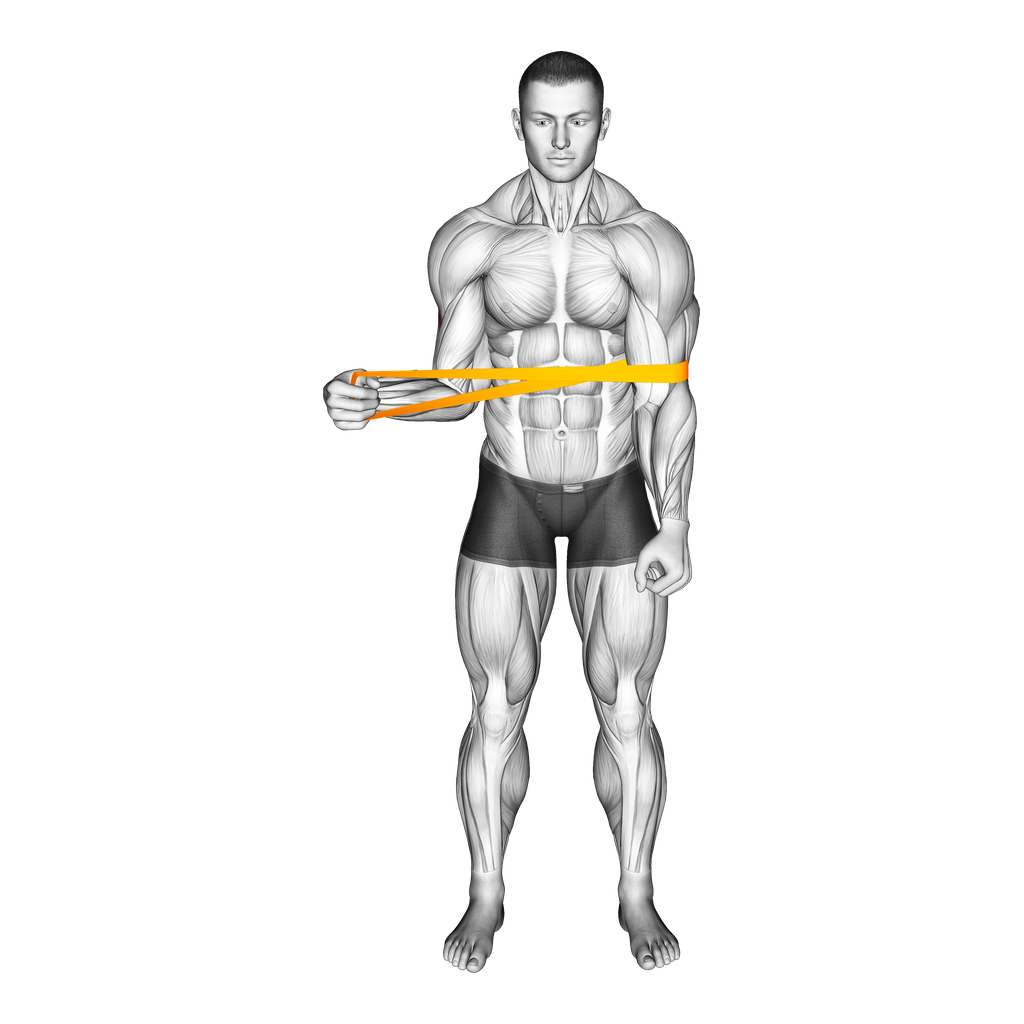 Beginner
Band Shoulder External Rotation
Resistance Bands
 Beginner
Cable Standing Shoulder External Rotation
Cable


Frequently Asked Questions
- Q: Which arm does the pushing?
The arm you are not working. Hold the stick with both hands, keep the working elbow at your side, and let your other hand push the stick toward the working side so that forearm swings out; then repeat on the other side if both shoulders are stiff.
- Q: Is the arm being turned completely relaxed?
No, it still does some work. In a study of 16 healthy young adults, this standing stick-assisted rotation had the infraspinatus of the assisted arm working at about a quarter of its maximum effort, more than during a relaxed pendulum swing. That is why it counts as active-assisted rather than passive, and why it is often held back early after rotator cuff surgery.
- Q: How many reps should I do, and how long should I hold?
Start with 10 slow reps on each side, pausing a few seconds at the end of each, once or twice a day. Some shoulder programs hold each stretch for up to 30 seconds and do fewer reps instead; either works as long as the shoulder feels no worse afterward.
- Q: What can I use if I don't have an exercise stick?
Any light, straight rod about as long as your arm span works, such as a broom handle, a wooden dowel or a yardstick. Avoid anything heavy, since the point is to guide the arm, not to load it.
- Q: Can I do this after shoulder surgery?
Only with your surgeon's or physical therapist's go-ahead. After a shoulder replacement or a rotator cuff repair, outward rotation is often limited to a set angle for the first several weeks, and some protocols delay stick-assisted drills altogether.
- Q: How is this different from the Stick Shoulder External Rotation Stretch?
Stick Shoulder External Rotation Stretch is a static stretch with the arm raised, while this drill keeps the elbow at your side and moves the arm in and out for repetitions. The elbow-at-side position is usually the gentler place to start.