Standing Isometric Shoulder External Rotation

What Is the Standing Isometric Shoulder External Rotation?
Standing Isometric Shoulder External Rotation is an isolation exercise that primarily targets the shoulders, working the infraspinatus and teres minor of the rotator cuff with help from the rear deltoid and the muscles that steady the shoulder blade. It is a beginner-level movement: you stand side-on to a wall with your elbow bent at your side and press the back of your fist outward into a folded towel, holding the push while the arm stays still.
The external rotators turn the upper arm outward and help keep the ball of the shoulder centered in its socket during everyday reaching. An isometric hold loads these muscles without moving the joint, which is why it is often one of the first strengthening exercises in a shoulder program, and a useful option when turning the arm through its range still hurts. Effort is set by how hard you press, so the same drill can start very gently and build to a firm push, and it needs nothing more than a wall or doorframe and a towel.
Keeping the elbow tucked against your side is what keeps the work on the rotator cuff. If the elbow drifts away from the body, the deltoid takes over and the push turns into a sideways shove. Isometric strength is built mostly at the position you hold, so once the hold is easy and pain-free the next step is moving the arm: Seated Shoulder External Rotation works the same motion through range without load, and Band Shoulder External Rotation adds resistance, with Dumbbell Side-Lying Shoulder External Rotation and Cable Standing Shoulder External Rotation loading it further. Standing Isometric Shoulder Internal Rotation trains the opposite direction in the same setup, and the two are commonly paired.
The exercise suits older adults, clients with limited mobility, and anyone in the early stages of shoulder rehab once a clinician has cleared strengthening work. You only need to be able to stand comfortably beside a wall. The effort should be felt at the back of the shoulder, not in the neck, the wrist or the front of the joint.
Muscles Worked
- Infraspinatus
- Primary
- Teres Minor
- Primary
- Deltoid
- Medium
- Extensor Carpi Radialis
- Minimal
- External Oblique
- Minimal
- Upper Trapezius
- Minimal
Instructions
- Stand tall with your side next to a wall or doorframe, feet about hip-width apart, with the arm you are working closest to the wall.
- Bend that elbow to about 90 degrees and tuck it against your side so your forearm points straight ahead.
- Make a loose fist with your thumb on top and keep your wrist straight.
- Fold a small towel and place it between the back of your hand and the wall, adjusting your distance so the fist just rests against the towel.
- Relax your shoulders down away from your ears and face straight ahead.
- Keeping your elbow at your side, slowly press the back of your fist outward into the towel as if turning your forearm away from your body. Your arm should not move.
- Build the push over a second or two to a gentle, pain-free effort and hold it for 5 to 10 seconds while breathing steadily.
- Keep your hips and chest facing forward without leaning or twisting away from the wall.
- Slowly ease off the pressure and rest for a few seconds.
- Repeat for the planned number of holds, then turn around and work the other arm.
Common Mistakes
Elbow drifting from the side
Letting the elbow lift away from the body turns the push into a sideways shove led by the deltoid instead of a rotation driven by the rotator cuff.
Turning the trunk away from the wall
Rotating or leaning the torso away from the wall lets the body absorb the push, so keep the hips and chest facing forward and only the shoulder working.
Shrugging the shoulder
A shoulder creeping up toward the ear moves the effort into the neck and upper trapezius and can pinch the top of the joint.
Pushing from the wrist
Bending the wrist back into the towel makes the hand press without the upper arm rotating, so keep the wrist straight in line with the forearm.
Jumping straight to a hard push
Snapping into full effort, or starting near it, can aggravate a sore shoulder, so build into each hold over a second or two and raise the effort over several sessions.
Holding the breath
Bracing without breathing raises tension in the neck and upper body, so breathe steadily through every hold.
Injuries
Standing Isometric Shoulder External Rotation is a low risk exercise when performed with proper technique. The joint does not move and you control the load entirely by how hard you press, so problems usually come from pushing too hard too soon rather than from the exercise itself.
The front and top of the shoulder are the usual strain points. Snapping into a hard push, shrugging toward the ear or letting the elbow drift out can irritate a sensitive shoulder and shifts the effort to the neck and deltoid. A bent wrist can also take the strain if the back of the hand folds against the wall. Ease into each push and ease out of it, start with a gentle effort, and add force over several sessions only while the hold stays pain-free.
If even a light push hurts, press more gently, and if any push at all is painful, stop and have the shoulder checked before continuing. Once firm holds are easy, progress to moving the arm with Seated Shoulder External Rotation and then to Band Shoulder External Rotation with a light band.
Stop if you feel sharp or pinching pain in the shoulder, a painful catch, or numbness or tingling down the arm, and see a clinician if pain lingers after the session. After shoulder surgery or a dislocation, follow your surgeon's or physical therapist's timeline: protocols differ widely on when rotation isometrics may start and how hard you may push.
- Primary Focus
- Shoulders
- Equipment
- Body weight and other
- Modality
- Strength
- Difficulty
- Beginner
Alternative Exercises
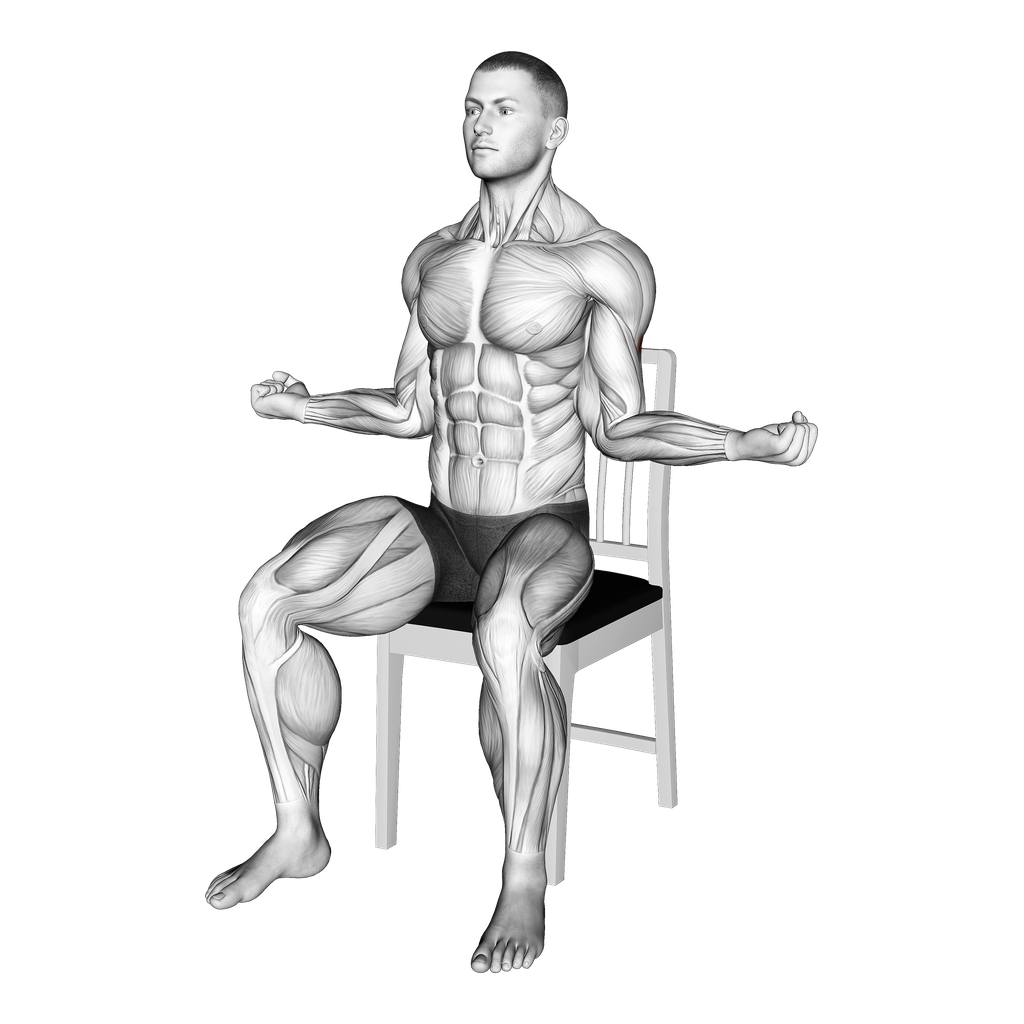 Beginner
Seated Shoulder External Rotation
Body Weight · Other
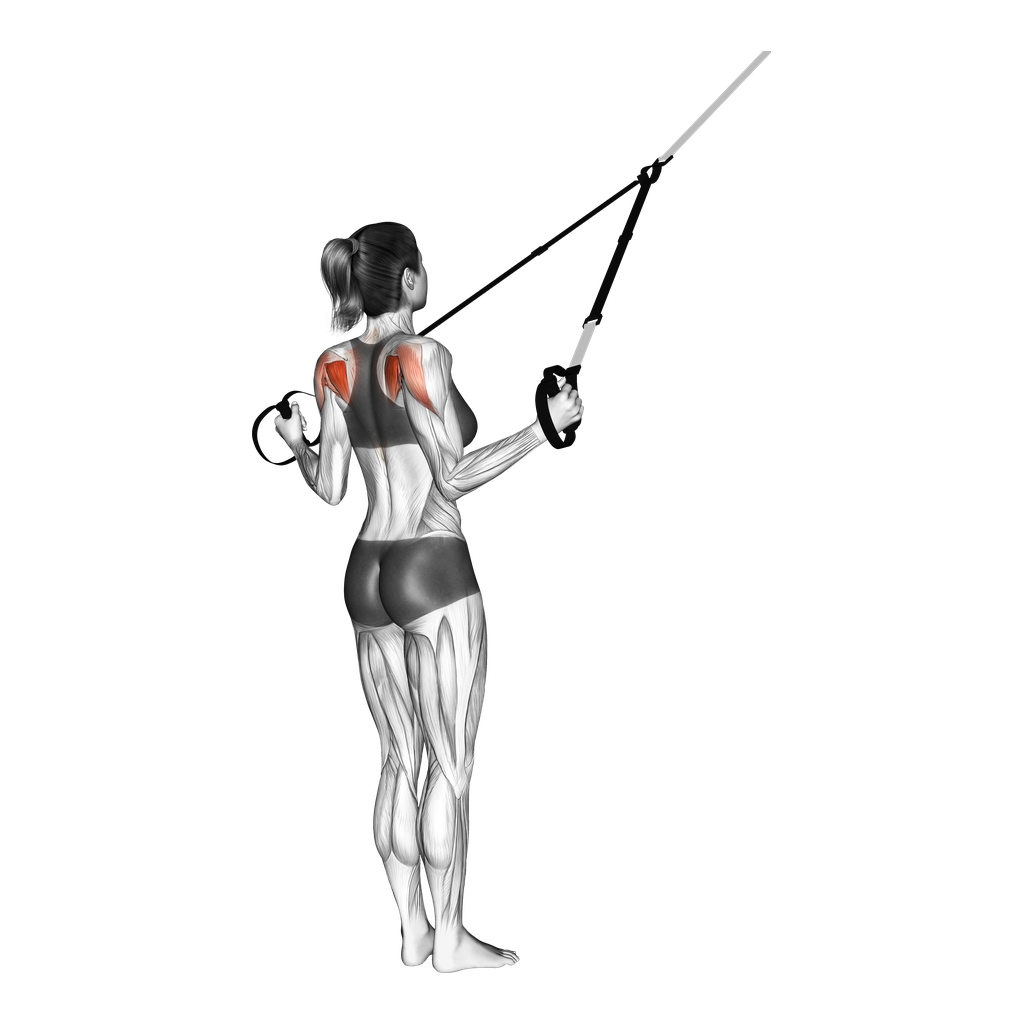 Beginner
TRX Shoulder External Rotation
Suspension Trainer · Body Weight
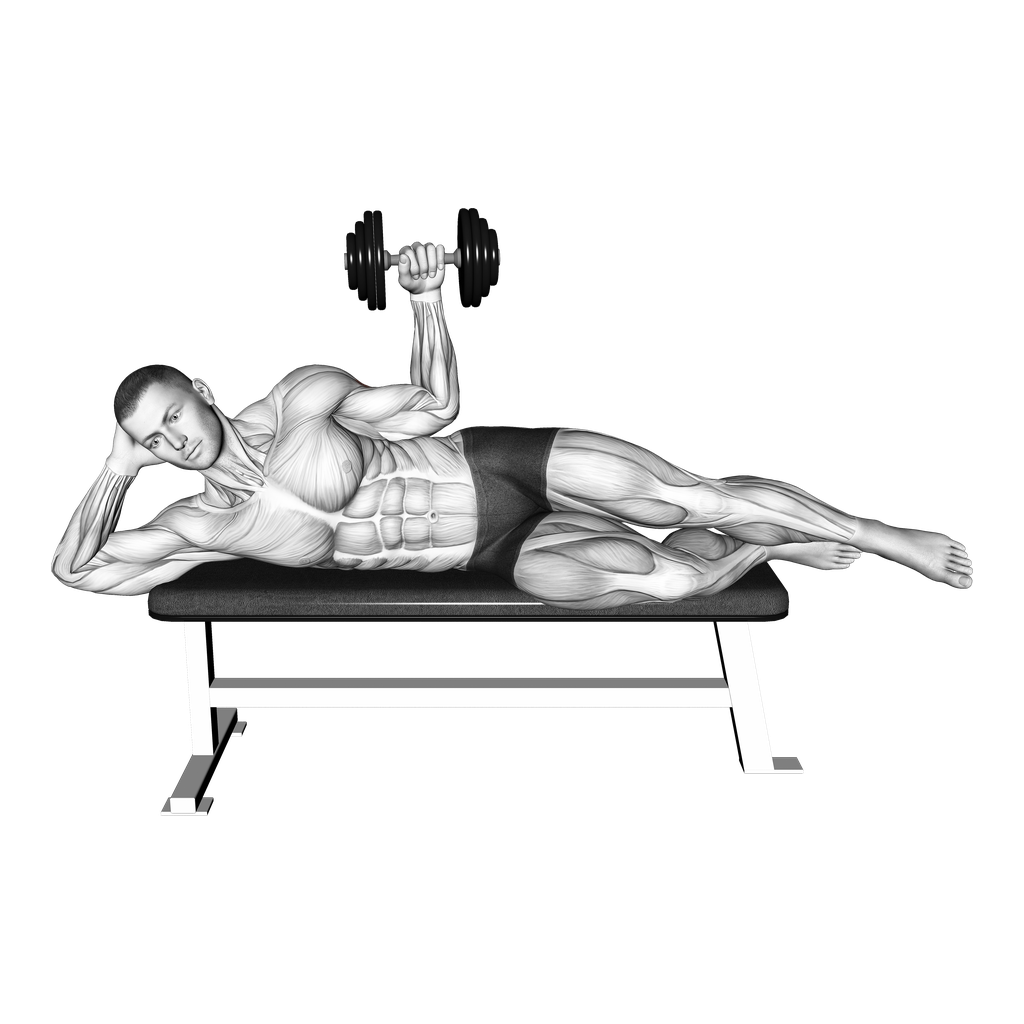 Beginner
Dumbbell Side-Lying Shoulder External Rotation
Dumbbell · Bench
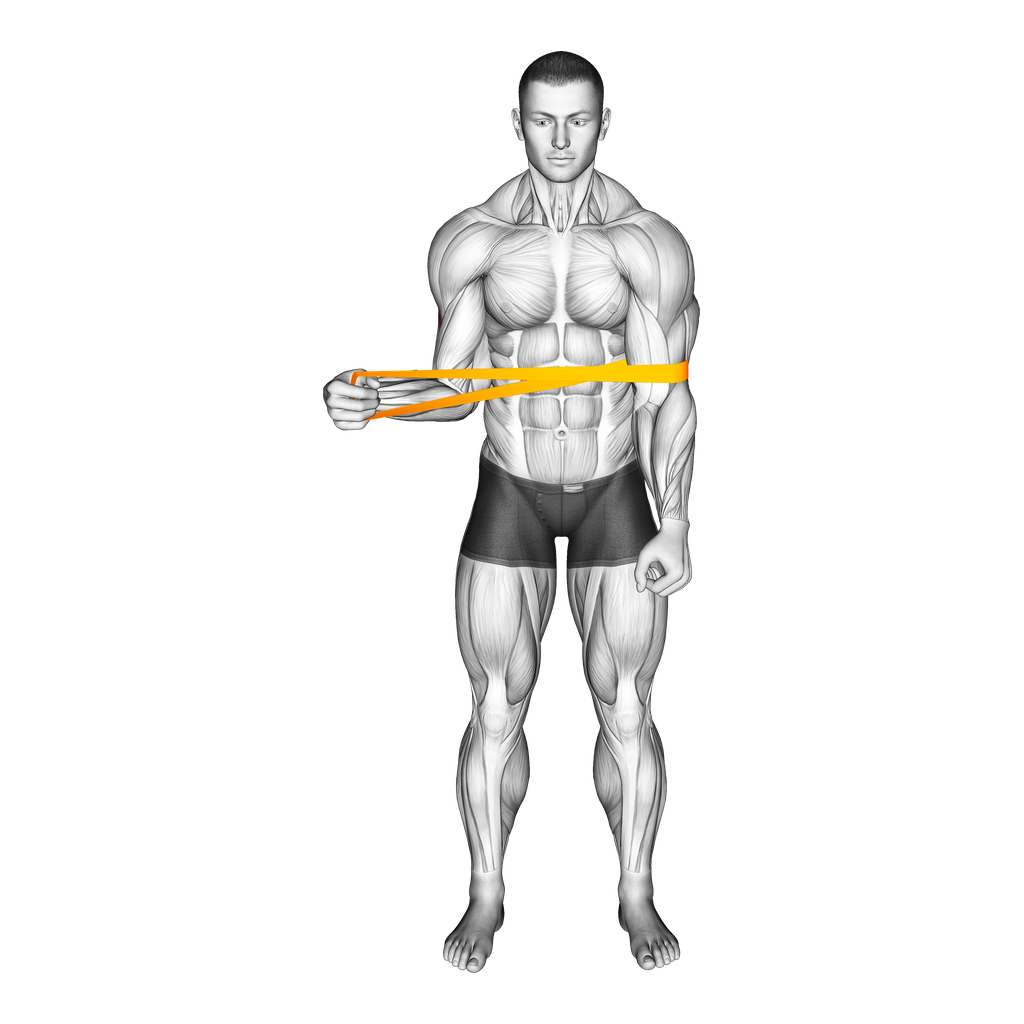 Beginner
Band Shoulder External Rotation
Resistance Bands
 Beginner
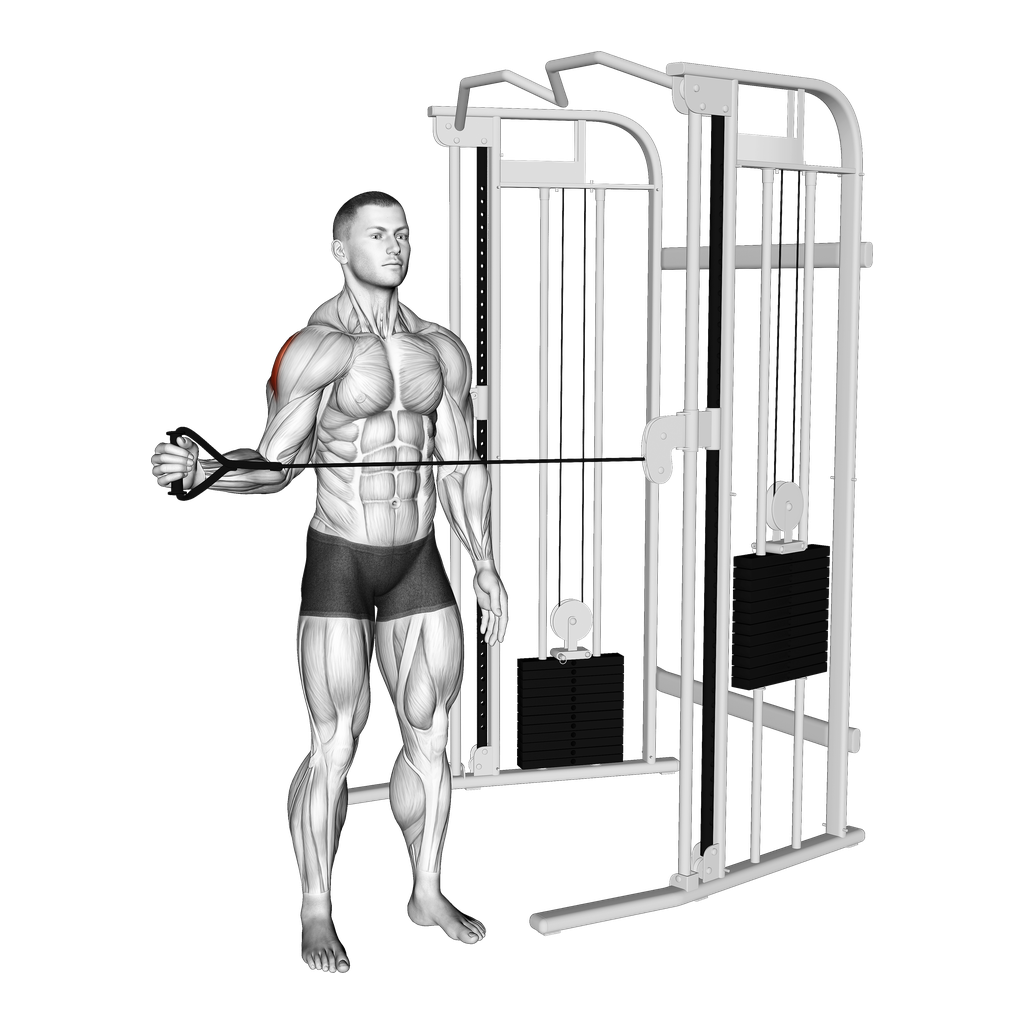
Cable Standing Shoulder External Rotation
Cable


Frequently Asked Questions
- Q: How hard should I push?
Start gently, at roughly a fifth of your full effort, and build toward a firm push over several sessions as long as the hold stays pain-free. Ease into each push rather than snapping into it.
- Q: How long should each hold last?
Hold each push for 5 to 10 seconds, rest a few seconds, and repeat for about 10 reps. Because the load is light and you control it, the exercise can be done daily as long as the shoulder feels no worse afterward.
- Q: Does an isometric hold actually build strength?
Yes, but mostly at the position you hold, which is why it works best as a starting point. Once firm holds are easy, move on to Band Shoulder External Rotation to strengthen the rotators through their range.
- Q: Do isometric holds ease shoulder pain better than moving exercises?
Not reliably. A 2020 review of trials in tendon pain, including the rotator cuff, found isometric exercise worked no better than moving exercise for long-standing tendon pain, and no better than ice for recent rotator cuff pain in the short term. Holds are still a comfortable way to keep loading a sensitive shoulder before you move on to exercises with movement.
- Q: What is the towel for?
It pads the back of your hand against the wall and keeps your fist at the same spot from rep to rep. A folded towel or a small cushion works equally well.
- Q: Can I do this after shoulder surgery?
Only when your surgeon or physical therapist clears it. Some protocols allow gentle rotation holds within the first weeks while others wait several months, depending on the repair, and early holds are always kept well below full effort.